







Phainos

Campaign Tracking by Phainos

Your campaign was bigger than the roster.

See the full footprint of a campaign, including briefed creators, partners, owned channels and organic posts around the moment.

A windswept creator photographed from below at a coastal ferry terminal
An airborne runner photographed from below against an open pale sky
A climber scaling monumental coastal granite above the sea

The launch was big. The report covers the invoice.

A launch runs across briefed creators, athletes, partner accounts, owned channels and a crowd that turns up on its own. The report often covers only the creator roster because those are the links someone collected. Everything else around the moment never makes it in.

  • A group of athletes framed at different depths in a color editorial portrait

    How much came from the creator roster?

    The roster's contribution separated from partners, owned channels and organic content.

  • One creator standing in sharp focus within a fast-moving urban crowd

    Did it reach anyone outside the roster?

    Organic posts found, including the ones that never tagged you.

  • A creator leaning against a city railing in crisp afternoon light

    Which partner did more than our own channels?

    Every source compared on the same measures.

  • A creator wearing performance eyewear and technical apparel while holding a football

    Which other brands appeared during the campaign?

    Every brand visible in the content, named.

Companies we've already partnered with

  • adidas
  • Zalando
  • Nike
  • Columbia

Three phases. One activation

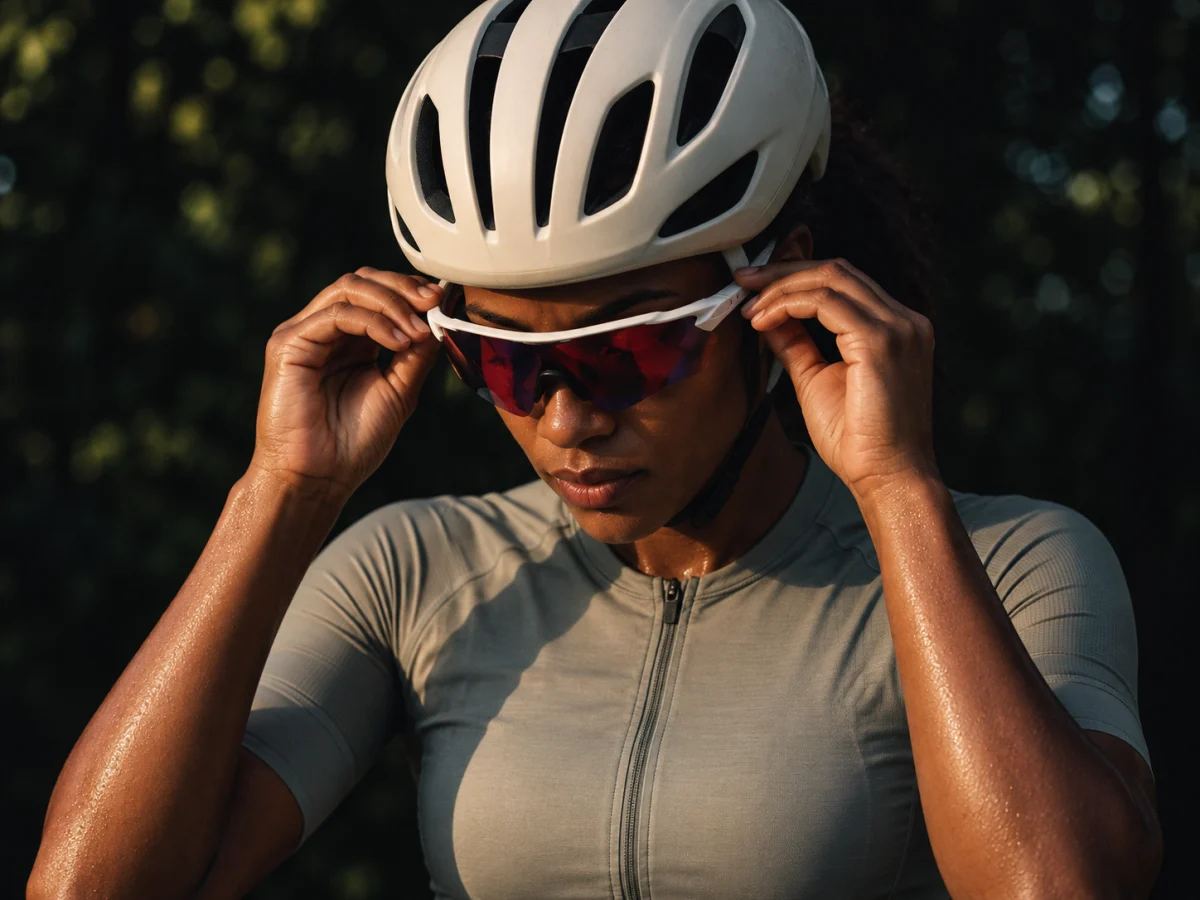
A cyclist adjusting her performance glasses in warm pre-ride light

Phase one

Before launch

We define the campaign once: a window, a subject and the sources that belong to it. Your channels, the briefed roster, the partner and athlete accounts, and the hashtags, locations and brands that will surface the organic posts around it.


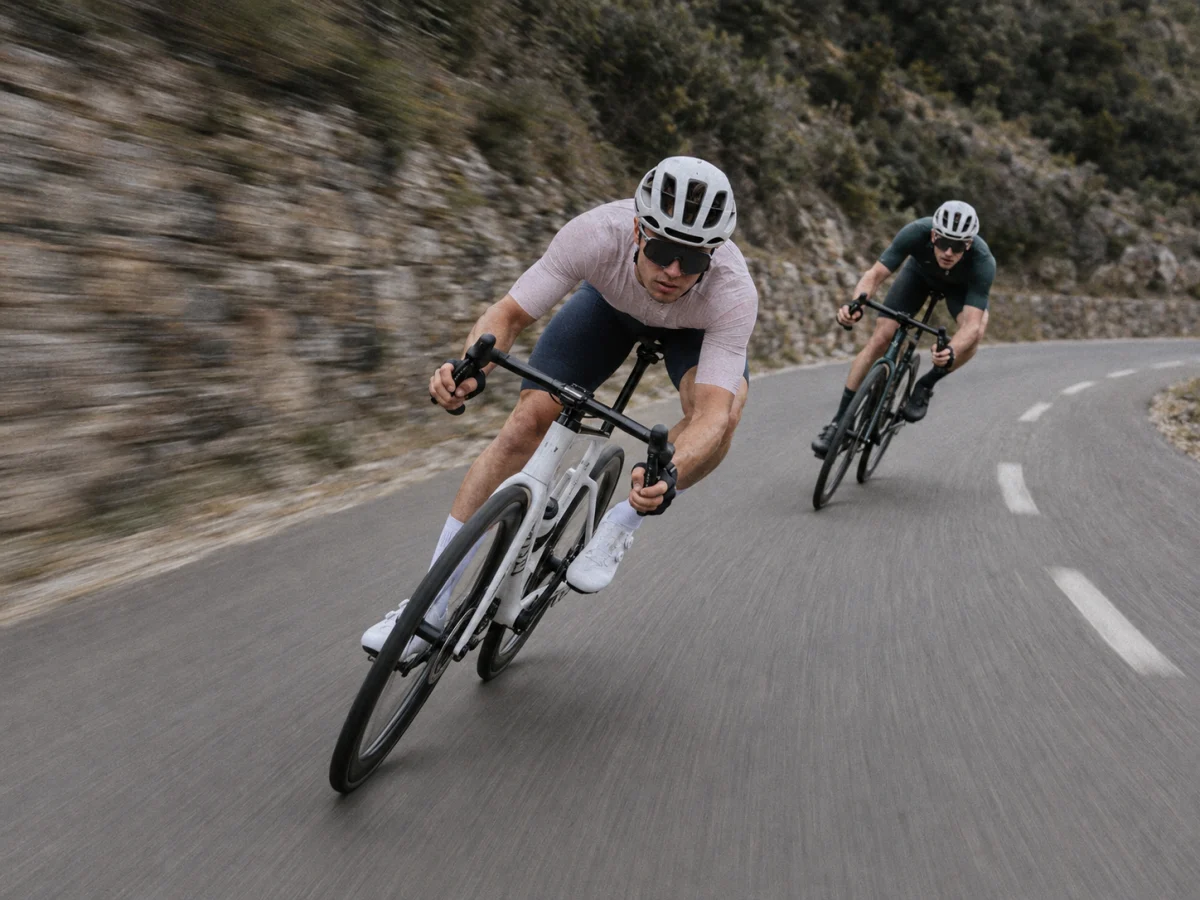
Two road cyclists descending through a mountain bend at speed

Phase two

During the window

Everything published inside the window lands in the same view as it appears, stories included, whether or not anyone tagged you. Volume and performance read by day, so a quiet partner or a format that is not landing is visible while there is still budget to move.

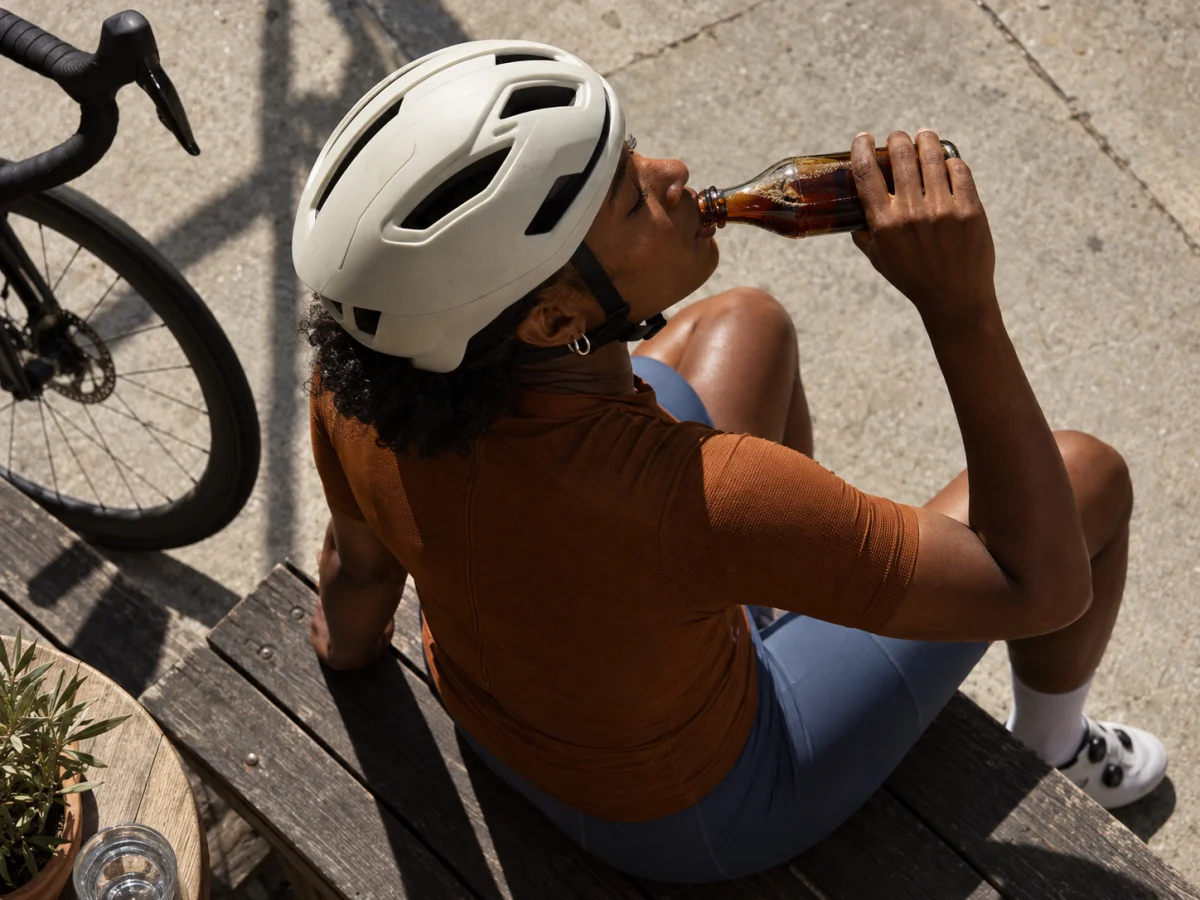
A cyclist recovering with a cold drink after a ride in hard midday light

Phase three

After the moment

Totals roll up across every source, with shared posts counted once. Creators, partners, owned channels and earned content sit side by side, showing what moved the campaign.

What lands on your desk

  • A diverse run club moving together through a sunlit city plaza

    All campaign content in one place

    Content from your channels, creator roster, partners and organic audience, collected across the same campaign window.

  • A runner moving through a green woodland setting

    Organic content, found

    Posts from people who were never on a roster, including the ones that never tagged the brand.

  • Three outdoor creators moving separately through the same open alpine meadow

    Contribution by group

    See what the creator roster, brand channels, partners and organic audience each contributed to the campaign.

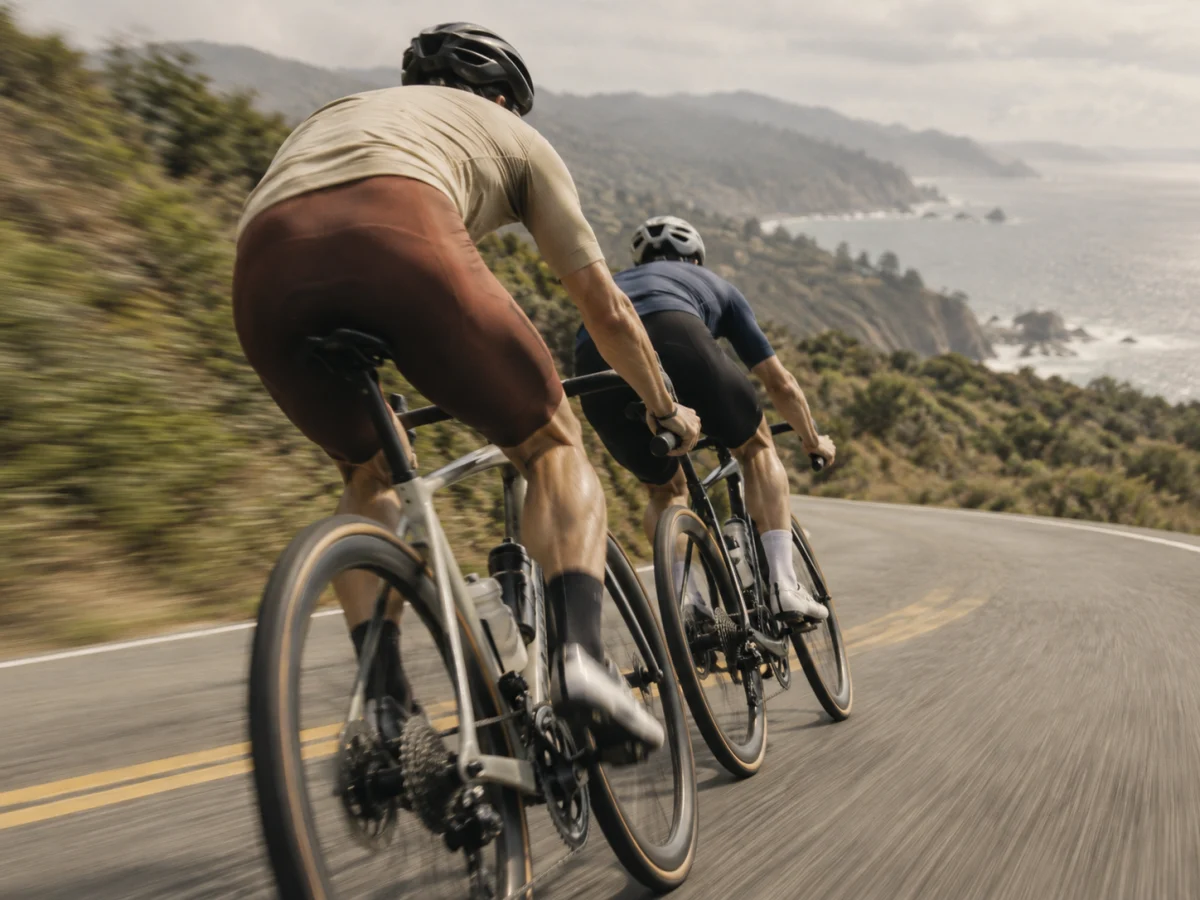
  • Two road cyclists accelerating together along a winding coastal road

    Campaign peaks and timing

    See when content and engagement peaked across the campaign window and which activity drove the change.

  • A group of friends talking together on outdoor city steps

    Comment sentiment and topics

    See how audiences responded to the campaign, including sentiment and recurring topics in their comments.

  • A basketball player photographed from above beneath an outdoor hoop

    The campaign deck

    An exportable readout of the activation, with the findings and practical lessons your team can carry into the next campaign.

Building with adidas

Three activation pilots in 2026, each bigger than the last. Most recently: the Adizero Dropset Pro launch in London, where we tracked the event's social impact and how creators helped carry the message beyond the event itself.

Creators tracked
200+
Attendees checked in
500+
Pieces of content captured and attributed
2,000+
A runner in adidas kit mid-stride against a concrete wall
“The tracking gave us a much clearer picture of the impact our event had on social, beyond what we could see on the day.”

Celine Schana

Head of Social at HY.AM

Made for moments bigger than a roster

Phainos is used by brand and marketing teams who run launches and sponsorships, and by the agencies who plan them for their clients.

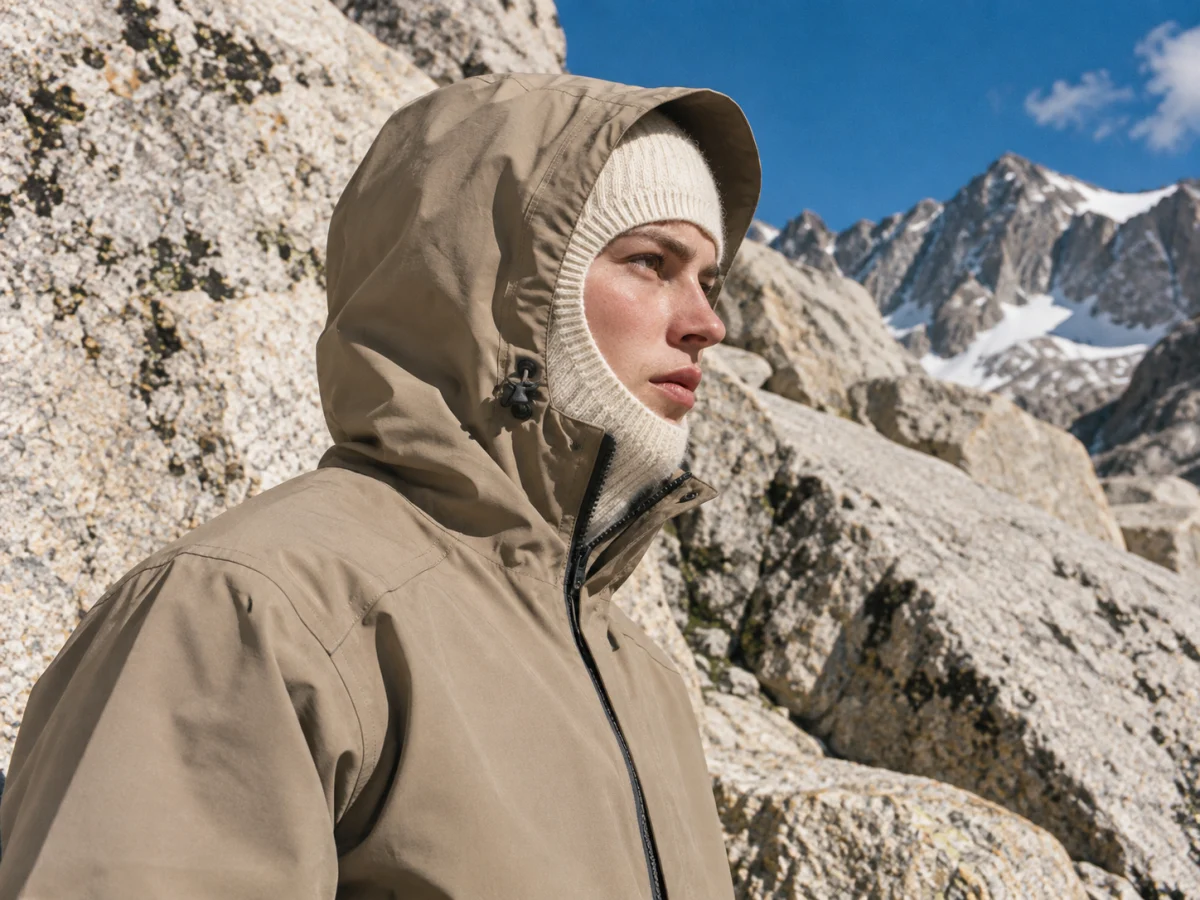
  • An athlete in technical outerwear standing among sunlit alpine rocks

    Product launches

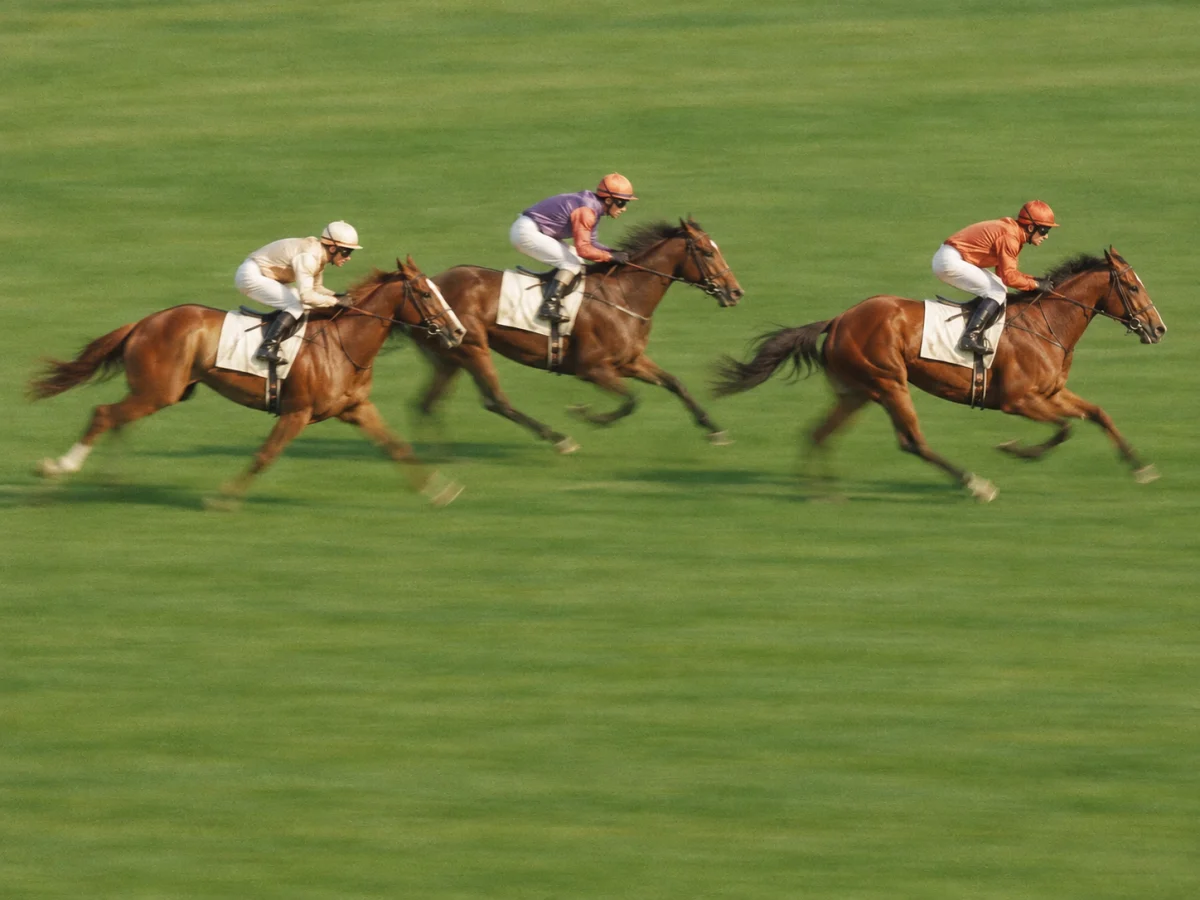
  • Three racehorses galloping together across an open green course

    Race weekends and mass participation

  • An athlete wearing trail shoes while seated on a boulder in the mountains

    Sponsorships and partnerships

  • An athlete holding a controlled balance on a sunlit coastal rock shelf

    Athlete and ambassador moments

  • A creator in dark technical clothing relaxing with coffee in a dim café

    Owned and creator campaigns

From manual reporting to a measured campaign.

Before

With Phainos

  • Campaign content gathered manually from separate accounts

  • Campaign content collected automatically in one view

  • Campaign investment judged from the creator roster alone

  • Creator, partner, owned and organic contributions measured

  • Partner, organic and audience response left unmeasured

  • Comment sentiment and recurring topics included

  • Results assembled after the campaign has closed

  • A measured view available throughout the campaign window

  • The next campaign planned from an incomplete report

  • Clear findings to improve the next campaign and investment

See it on your own brand.

Tell us the question you cannot answer today. We will show you what this looks like against your accounts, your creators and your category.

Frequently asked questions

Can’t find what you’re looking for?

What is social media campaign tracking?

Social media campaign tracking brings the content and performance around one campaign into a single view. That includes brand channels, briefed creators, partners, athletes and organic posts published during the campaign window.

How is this different from creator tracking?

Creator tracking is built around a roster and answers who delivered. Campaign tracking is built around a moment and answers what the whole activation did, including the content from people you never contracted.

How do you find organic content nobody tagged?

Discovery runs on hashtags, locations and accounts agreed during setup, and on the brands visible in the content itself. That last part is why untagged posts still surface: we look at what is on screen, not only at what was written.

How do you measure an organic social media campaign?

We collect organic posts across the agreed campaign window, attribute them to the relevant creators, partners or audience, and measure their content, performance and contribution alongside your owned channels.

What does social media sentiment analysis show?

Social media sentiment analysis shows how audiences responded and which topics they discussed in campaign comments. These findings help explain the response behind the performance numbers and inform the next campaign.

Can campaign tracking prove ROI?

It gives you evidence to judge the investment: what each group contributed, how the content performed and how audiences responded. We do not turn that evidence into an unsupported earned media value. The report shows what the campaign delivered and what to change next time.

Can we run several campaigns at once?

Yes. Each activation is its own window and its own readout, and a piece of content can belong to more than one if it genuinely falls inside both.

Does the same content get counted twice?

No. Cross-posts and collaborations are credited to every participant so each one gets their due, while campaign totals count the piece once.

Can we compare one campaign against another?

Yes, provided both were set up here. Campaigns run on the same measures and the same classification, so a launch can be read against the last one rather than against a differently built spreadsheet.