The World Cup leaderboard missed four bigger stories
The largest audience gains only tell part of the tournament. Under the ranking were four different forms of attention: team depth, youth acceleration, superstar scale, and one goalkeeper who became the group stage's impossible outlier.
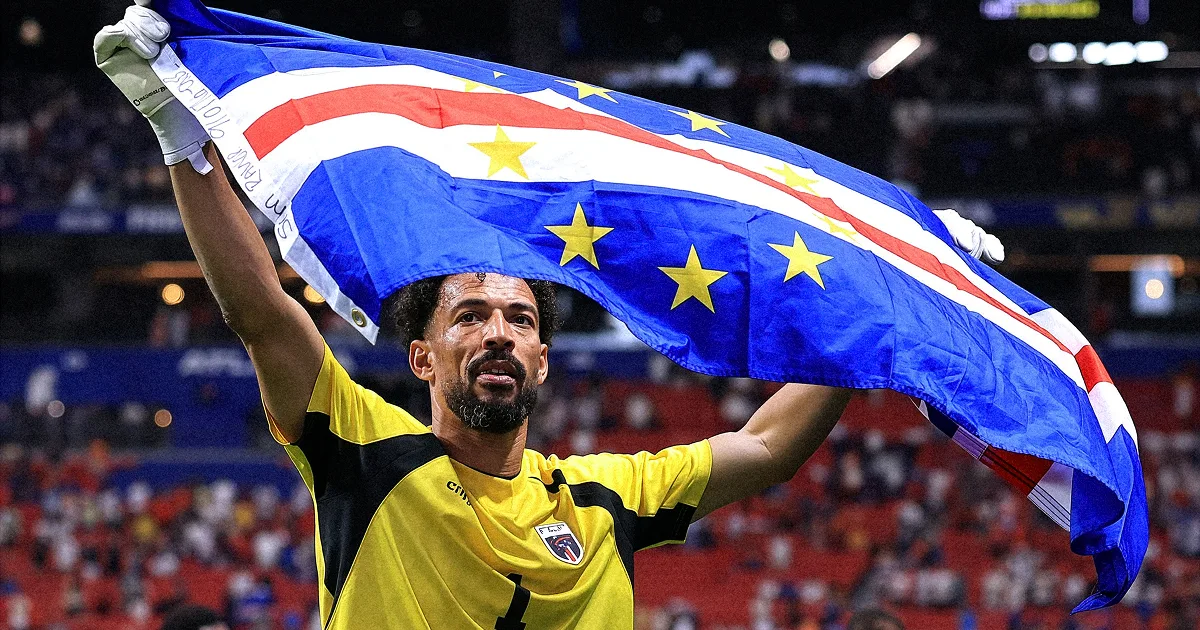
Vozinha made the leaderboard look simple. One Cape Verde goalkeeper, one clean sheet against Spain, one audience line that went almost vertical. By the end of the group stage, he had added 17.0 million followers.
That was the headline. It was not the whole read. When we rank the tournament by follower growth in our live World Cup tracking, the table answers who moved most. The better question for brands is what kind of attention moved, especially in a World Cup being watched through streams, creators and second screens. CazéTV's Brazil opener against Morocco reportedly passed 12 million concurrent YouTube viewers, while creator-led coverage has become part of how younger fans experience the tournament around the live broadcast.1
Brazil was the strongest audience team
Brazil added 15.1 million followers across 24 squad accounts through June 27, second only to Cape Verde as a national total.2 Cape Verde's number was almost entirely Vozinha: he accounted for 96.7 percent of the squad's gain. Brazil looked different.
Endrick added 3.6 million, Neymar 2.8 million, Douglas Santos 2.3 million, Vinícius Júnior 1.6 million and Matheus Cunha 1.6 million. No Brazilian player accounted for more than a quarter of the team's growth. For sponsors, that is the practical distinction between a spike and a platform. Brazil carried a portfolio of attention rather than one viral moment.
The leaderboard found the biggest player. The better read found the strongest team.
The teenagers accelerated first
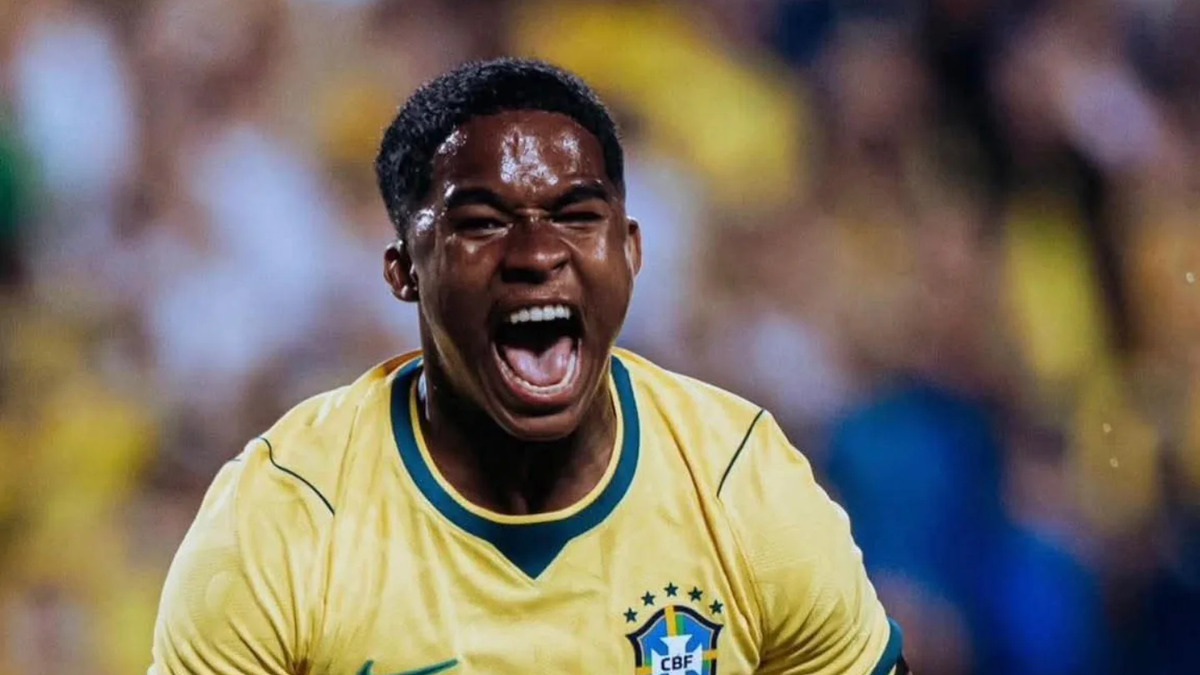
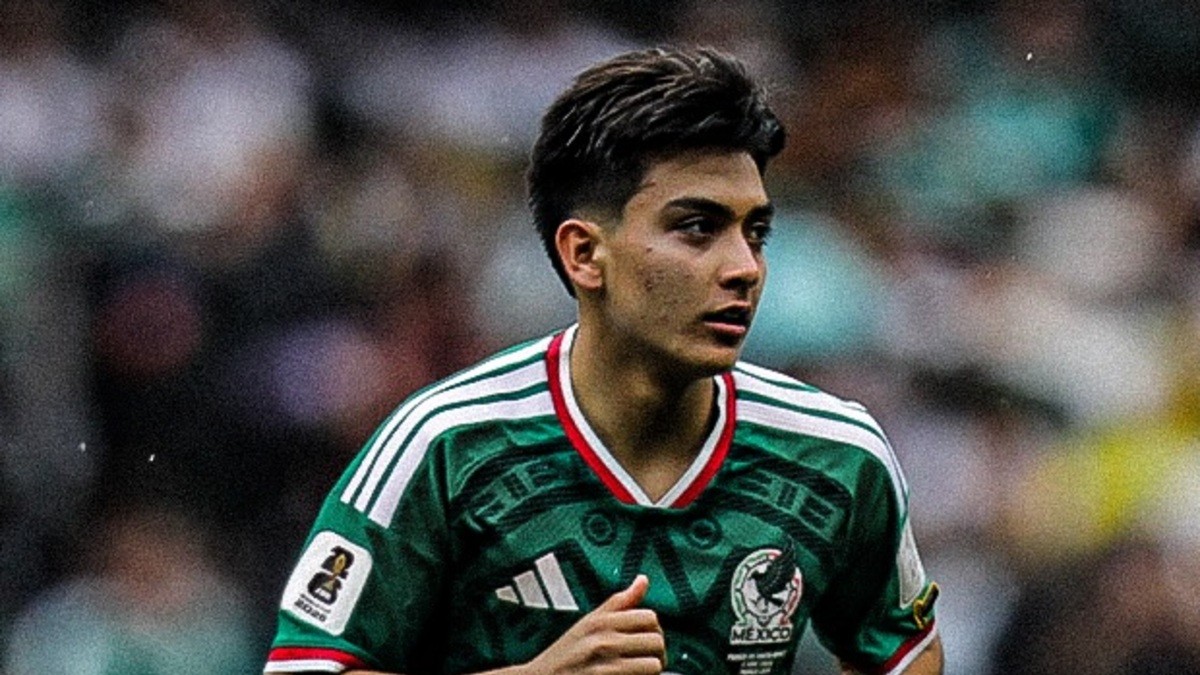
Players aged 19 and under added 9.1 million followers in the same window across 21 teenage player accounts. Endrick grew while the conversation circled his role rather than his output. Lamine Yamal added 1.4 million from a base that was already global. Ayyoub Bouaddi added 1.4 million from a different kind of discovery curve. Gilberto Mora added 998,000 as Mexico's youngest story.
Bouaddi is the cleanest example of how quickly that attention can leave the social chart and enter the market. After Morocco's draw with Brazil, talkSPORT framed him as a teenage midfielder who had announced himself at the World Cup; by July 1, the same outlet was reporting a possible EUR100 million Lille asking price and interest from Premier League clubs plus Bayern Munich.3
Age made each storyline travel faster. Endrick had selection tension, Yamal had global expectation, Bouaddi had a market discovering him in real time, and Mora had the novelty of being first. Together, they gave the tournament the feeling of showing the next version of the sport before the market had priced it.
The giants still owned scale
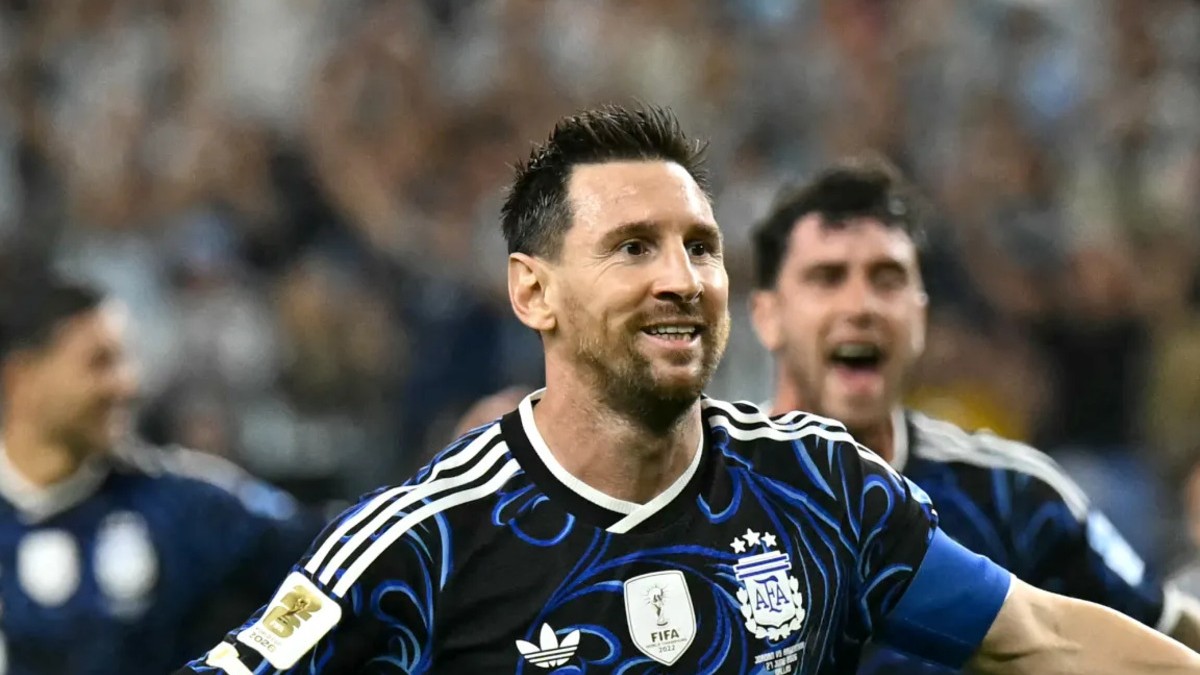
The emerging players grew faster by percentage. The giants still moved the most reliable absolute audience. Cristiano Ronaldo, Lionel Messi, Neymar, Vinícius Júnior and Kylian Mbappé added 13.3 million followers combined through June 27. Messi added 4.1 million. Ronaldo added 3.7 million. Neymar added 2.8 million.
This is where percentage growth can mislead. It is the right lens for discovery, but the wrong lens for reach. A breakout tells a brand where attention is newly available. A superstar tells a brand where attention is already liquid, repeatable and expensive for a reason.
Vozinha broke the model
He started the window at 32,642 followers and reached 17,036,983 by June 27. Cape Verde drew 0-0 with Spain on June 15, and the match record credits him with seven saves, zero goals conceded and man of the match. External reporting put the same performance at the center of his sudden global profile, with his following described as rising to roughly 16 million in under two weeks.4
The scale was not only sporting. CazéTV mattered because it turned a performance into a participatory act for a Portuguese-speaking audience. A clean sheet gave people the reason to follow. The broadcaster gave them the prompt. MarketWatch estimated the social-media value around Vozinha's rise at $17.7 million, a signal of what the market saw: not only a goalkeeper, but a suddenly monetizable attention asset.4
The group stage leaderboard said Vozinha won. The better read is that four different markets appeared at once: the squad with depth, the teenagers with acceleration, the giants with scale, and the goalkeeper who reminded everyone how quickly sport can still make a stranger famous when the feed is already waiting.
Footnotes
-
Streaming and creator-context checks from The Verge, "How the World Cup became a US streaming success story", Tom's Guide, "How to watch CazeTV from anywhere outside Brazil", and The Guardian, "How content creators are bringing fans an added dimension to this World Cup".
-
Phainos analysis of WC26 Player Breakthrough data, using Instagram follower deltas from June 11 through June 27, 2026. Age groups use final-squad birthdate records. Match attribution uses player-level match records for the tournament.
-
Bouaddi context from talkSPORT, including "World Cup star dazzled First Lady of France" and "Premier League clubs warned World Cup star Ayyoub Bouaddi will cost £100million".
-
Vozinha's Spain performance and follower surge are also described in MarketWatch, "The World Cup has made Cape Verde goalkeeper Vozinha a $17 million social-media star".
More World Cup 2026 Articles
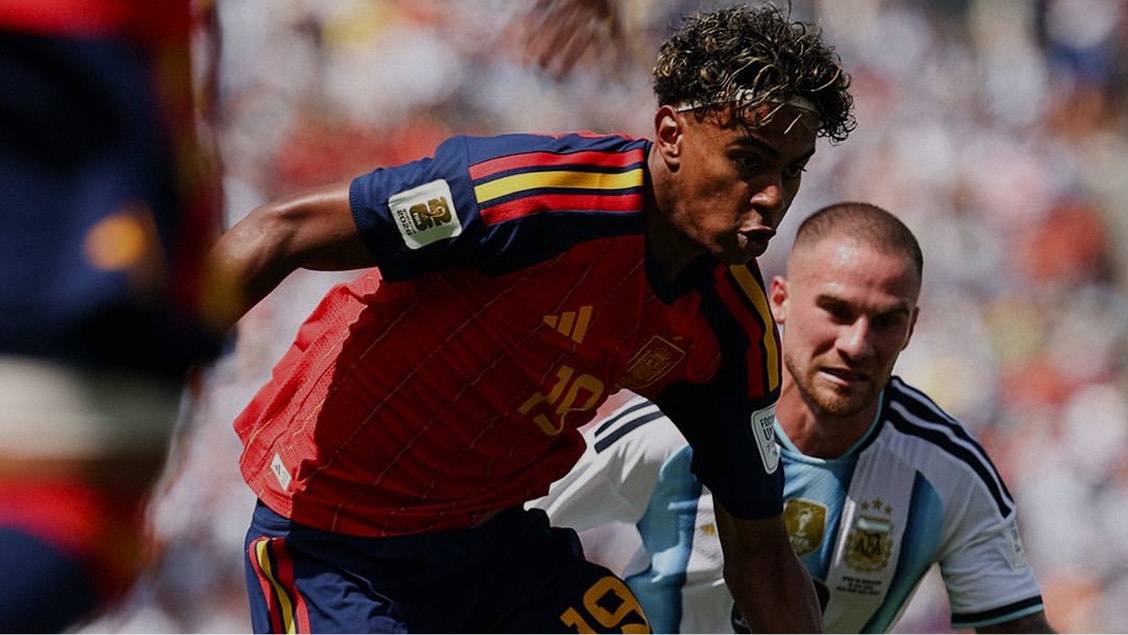
Which brand won the World Cup on Instagram?
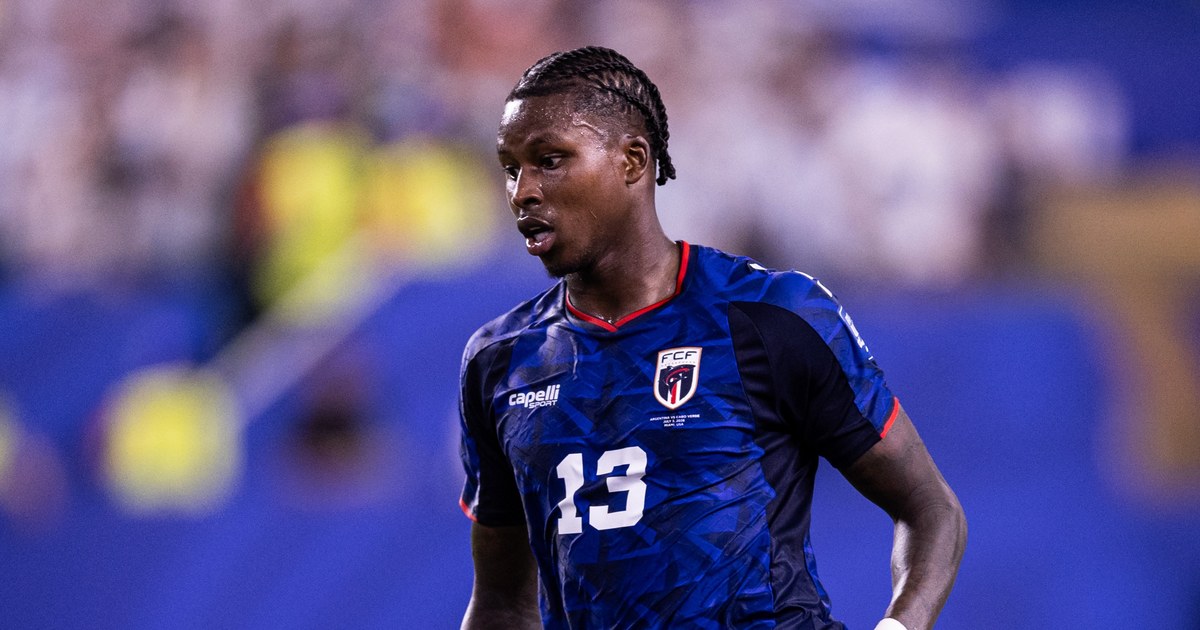
Players, memes and emotion shaped the 2026 World Cup on social
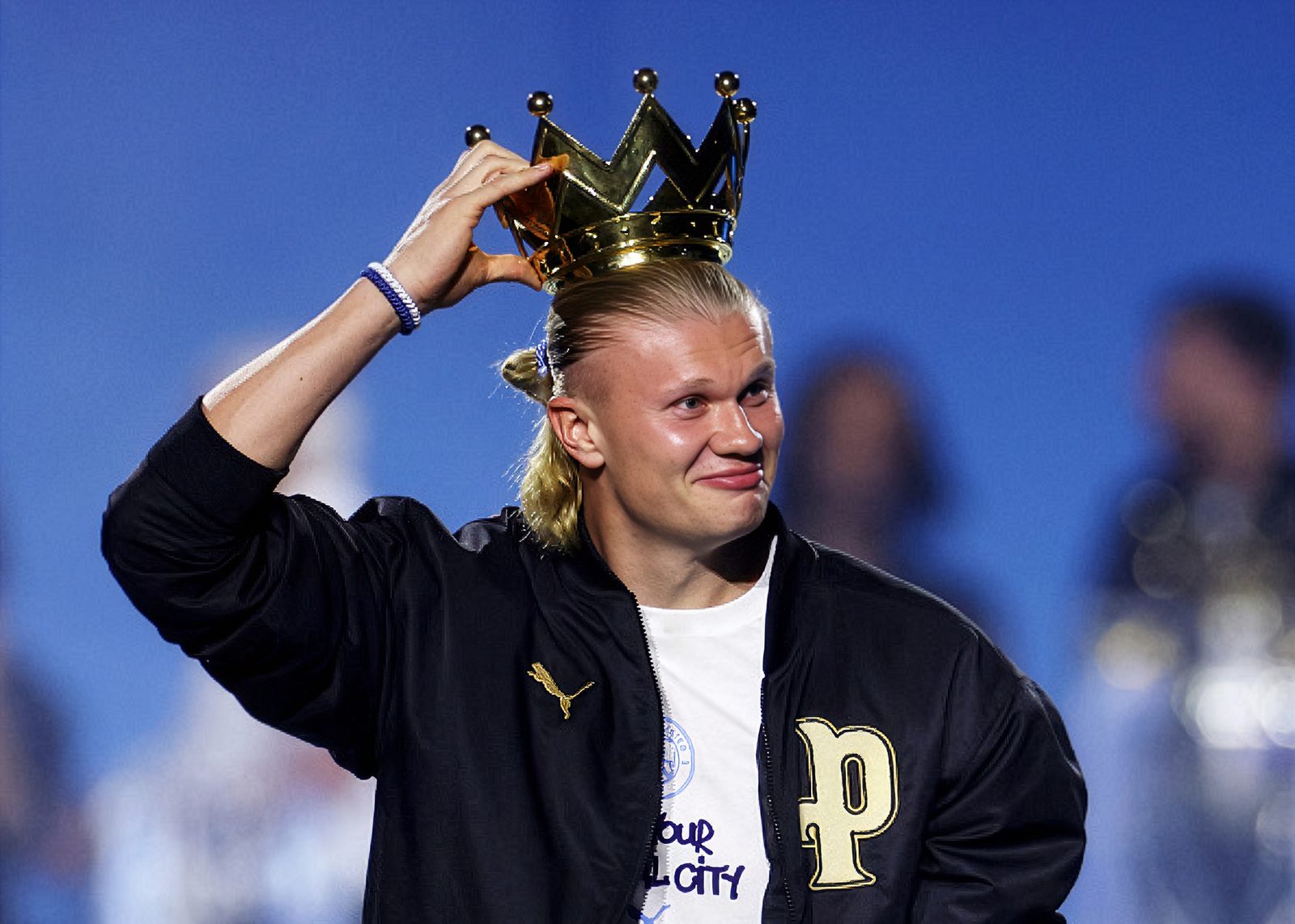
Ten players captured almost half of all Instagram follower growth at the 2026 World Cup