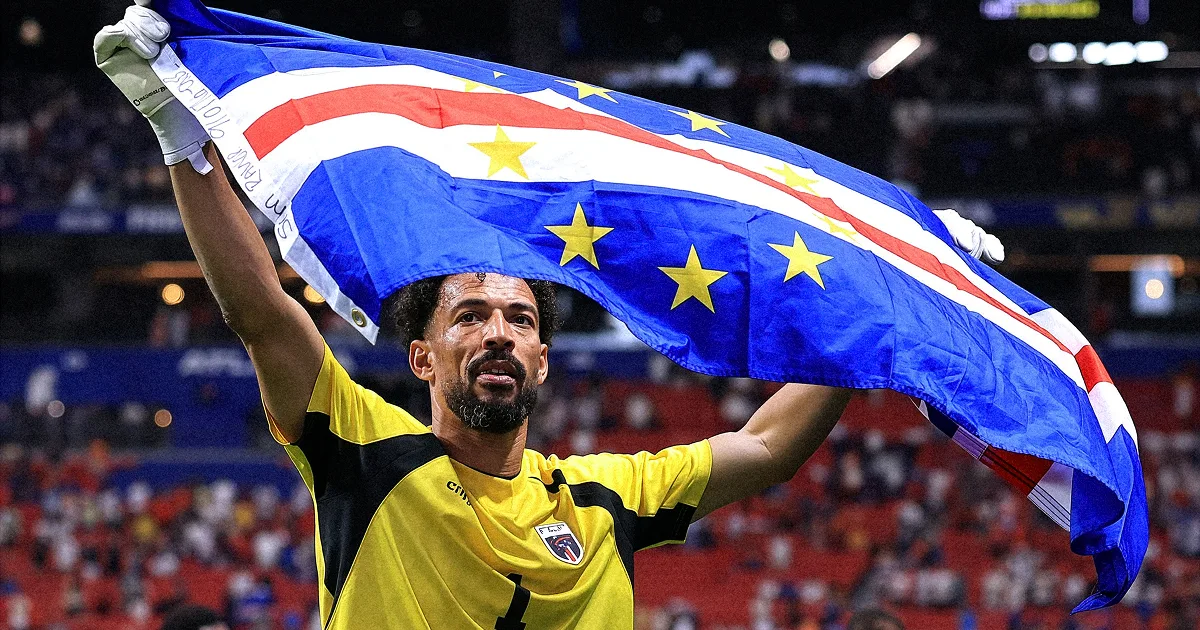
Which brand won the World Cup on Instagram?
adidas won by out-publishing everyone, delivering a relentless month of match-day content and athlete collaborations. Nike, meanwhile, generated more than three billion views with its “Rip the Script” campaign, yet finished the tournament with fewer followers than it started.
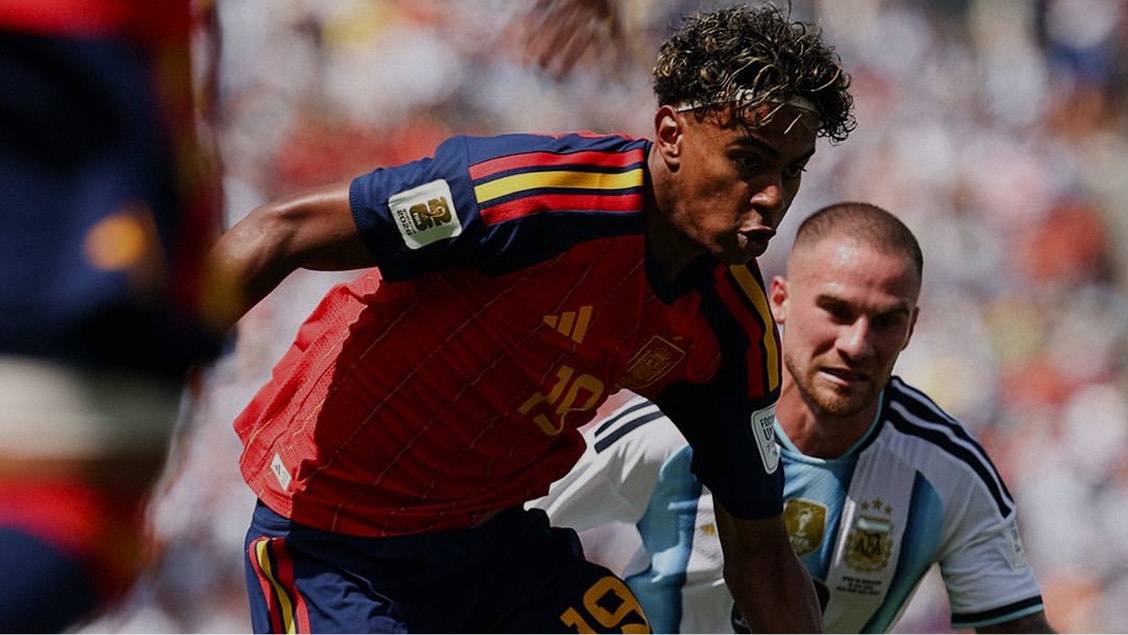
There are two ways to count who won a World Cup on social, and adidas won both. It took 63.2 million engagements to Nike’s 18.6 million and Puma’s 4.2 million; counted that way, the race was over by the group stage. And it added 551,000 followers, while Nike, the biggest sports account on Instagram, finished 119,000 followers smaller than it started, the only one of the five sports brands to go backwards.
Nike ran the bigger campaign and, by most estimates, spent more to promote it. So the question isn’t who launched loudest, but why the louder launch lost. The answer is mostly about publishing: how each brand launched, how relentlessly it posted, and who it posted with, plus one territory almost everyone ignored.
Instagram brand performance
Which brands led on Instagram?
Explore follower growth, reel views, engagement and publishing activity from June 11 to July 20.




The campaigns set the ceiling. Distribution decided the winner.
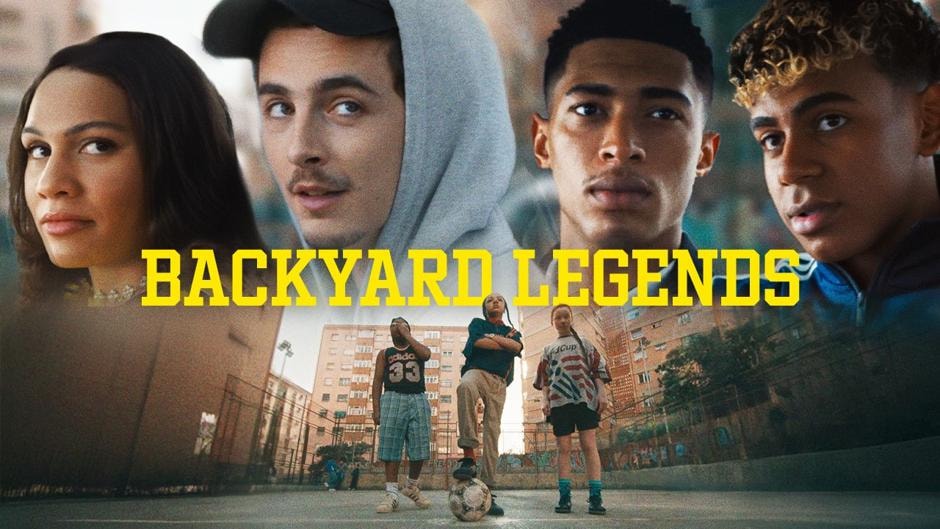
Before a ball was kicked, the tournament looked like a contest between two ways of using football. adidas and Nike both treated it as culture: Timothée Chalamet recruited Messi, Bad Bunny and a neighbourhood of legends for adidas’s Backyard Legends, and four weeks later Nike’s Rip The Script put Travis Scott, Kim Kardashian, Ted Lasso, LISA and Channing Tatum around its players. Puma’s Rolling Nations and Capelli’s CONNECTED Through Rhythm stayed closer to the kits and the national teams.
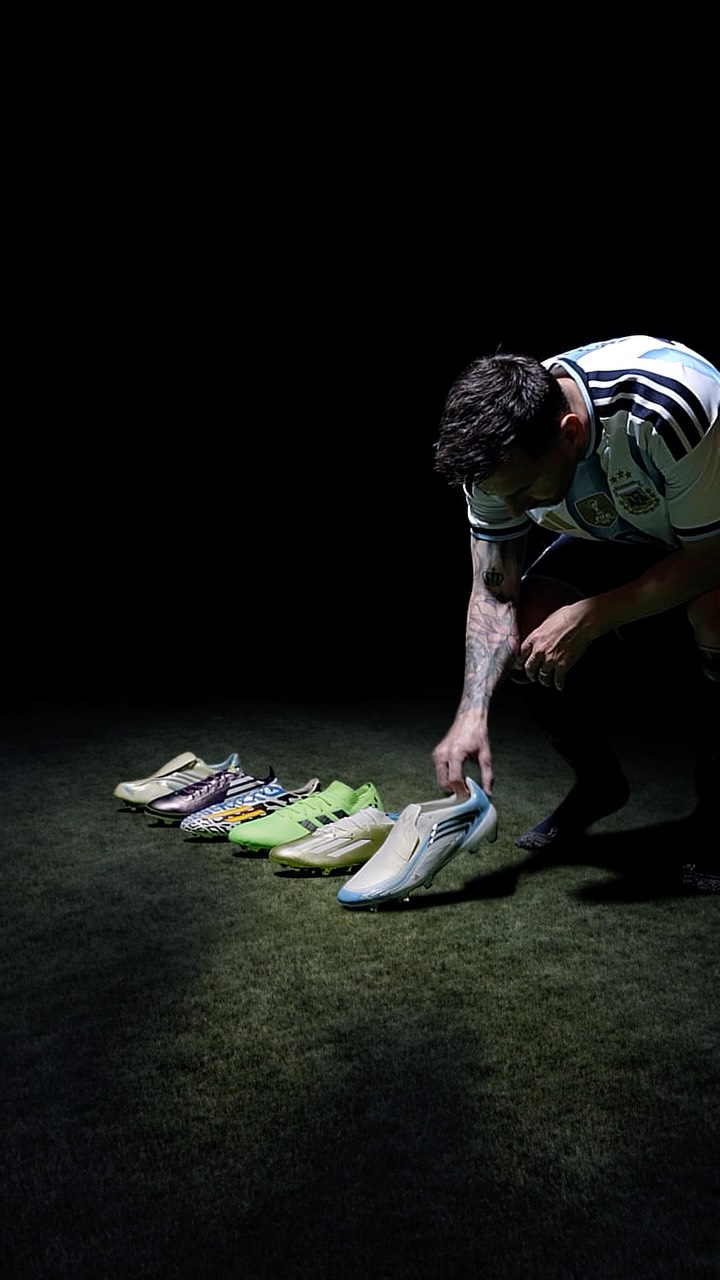
Thirty-one posts across those four campaigns, and entertainment raised the ceiling for both of the big two. Backyard Legends drew 13,261,988 engagements across 15 posts and beat adidas’s own normal feed on 13 of the 14 the brand published itself, at 9.1 times its usual level. Rip The Script drew 6,618,556 across four posts and cleared Nike’s benchmark on all four, at a higher multiple still: 11.9 times. The football-first launches stayed smaller. Puma’s eight Rolling Nations posts took 1,040,796 engagements at 1.7 times its usual level, clearing the benchmark on four of the six that had a comparable post to be measured against. Capelli’s four CONNECTED Through Rhythm posts took 26,601, its two carousels running at 101 times its normal carousel and its two reels at a tenth of its normal reel. On launch night, the celebrity route worked.
The difference was what happened next. Nike kept all four Rip The Script posts inside its owned network, @nike and @nikefootball, its stars in the creative but not in the distribution. adidas built exits: eight of its fifteen posts carried a co-author, and the campaign touched fifteen outside accounts in all, among them @adidasfootball, @adidasoriginals, a regional account, and players including Messi, Bellingham, Yamal and Trinity Rodman. One brand made a film; the other made a hub that could travel through global, football, player and regional audiences at once. The crowd saw the spend either way. The most-liked comment under Backyard Legends asked, “Who’s here from the N*ke ad?” But only adidas had built the roads to carry that launch into the tournament.
Everyone launched big. Only the launch with somewhere to go survived the tournament.
adidas ran a newsroom, not a campaign
Once the football started, adidas out-worked everyone. It posted 164 times, on all 40 days of the window, 95 of those posts a reaction to the match at hand, most of them published while that match was still the conversation, nine on the day of the final alone, from “CAMPEONES DEL MUNDO” to “time for a new star on that jersey”. Those match posts were its strongest work, not its filler: they averaged 394,893 engagements against 372,251 for everything else it published, there were four times more of them than of any other category, and together they carried 59% of its tournament engagement. Its floor was higher too. The typical adidas post out-earned the typical Nike one, 124,845 engagements to 73,831, and adidas grew more than the other four brands combined.
Content performance
Explore the tournament’s top-performing posts
Filter and rank brand content by account, category and performance metric to see what drove the strongest response.
The content that won was made with athletes
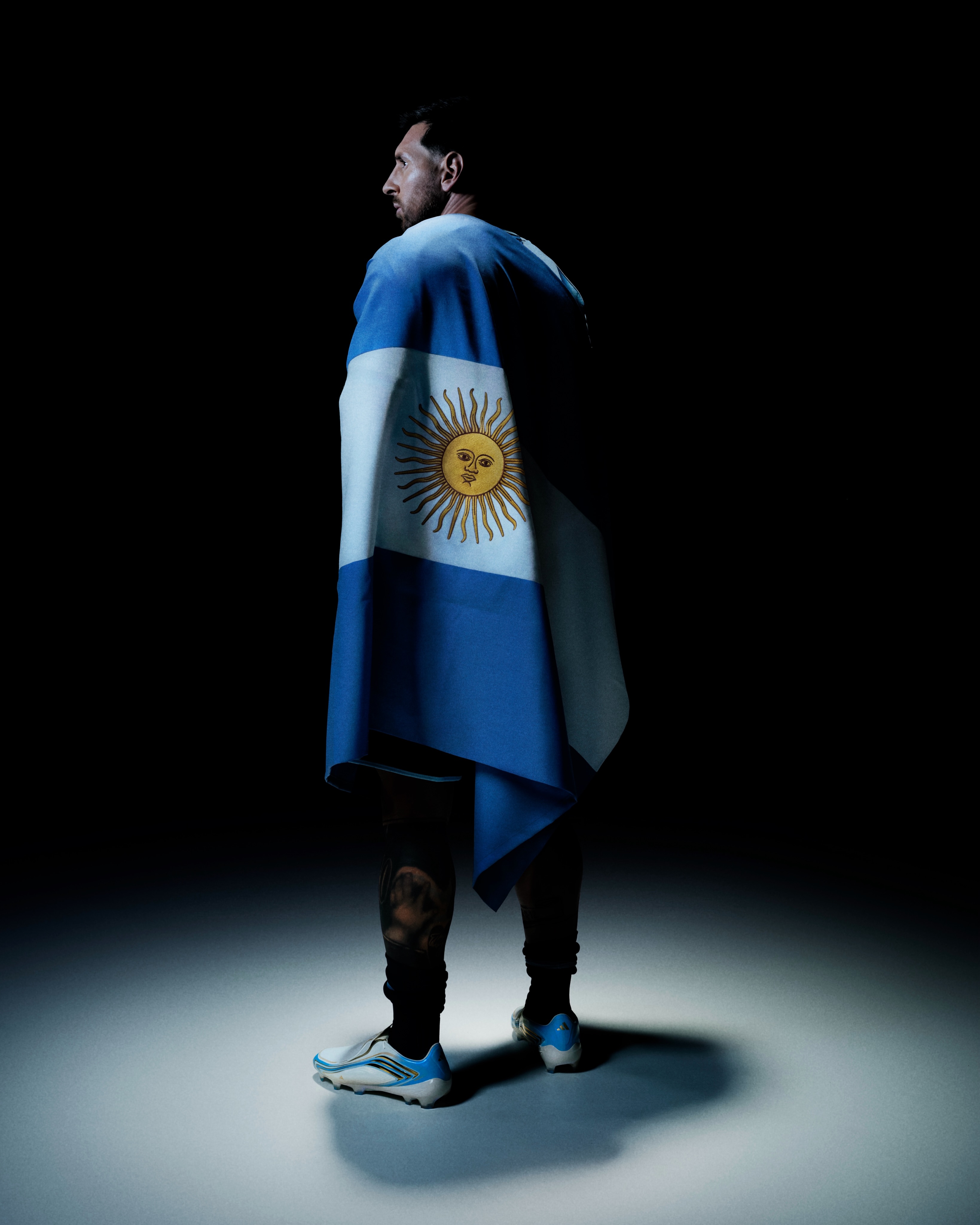
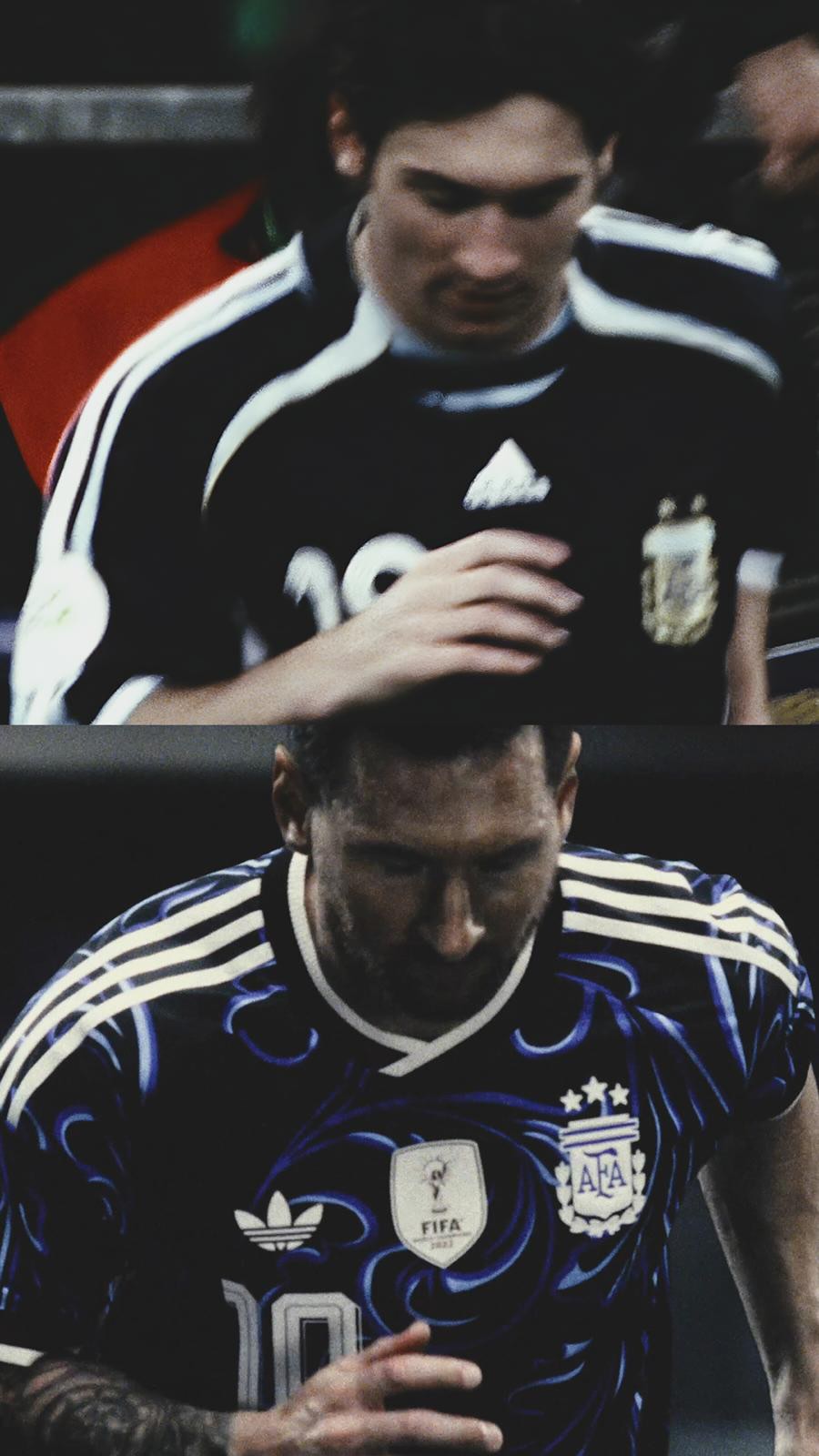
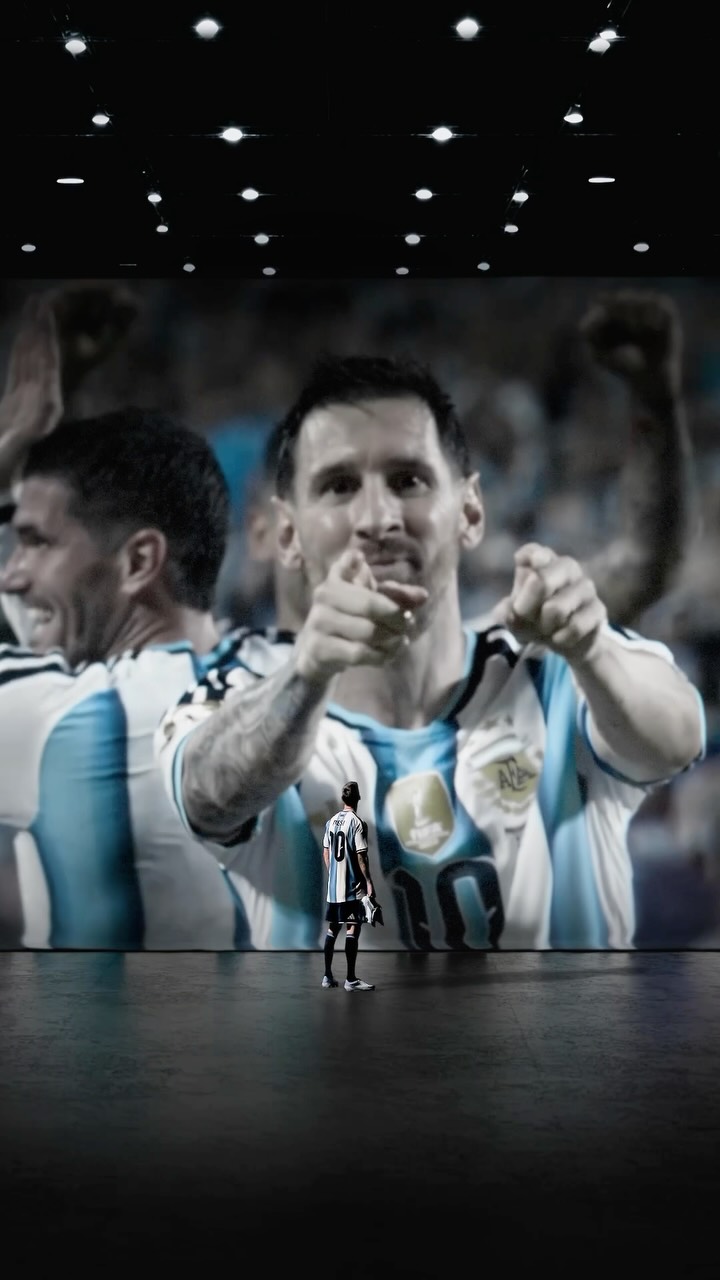
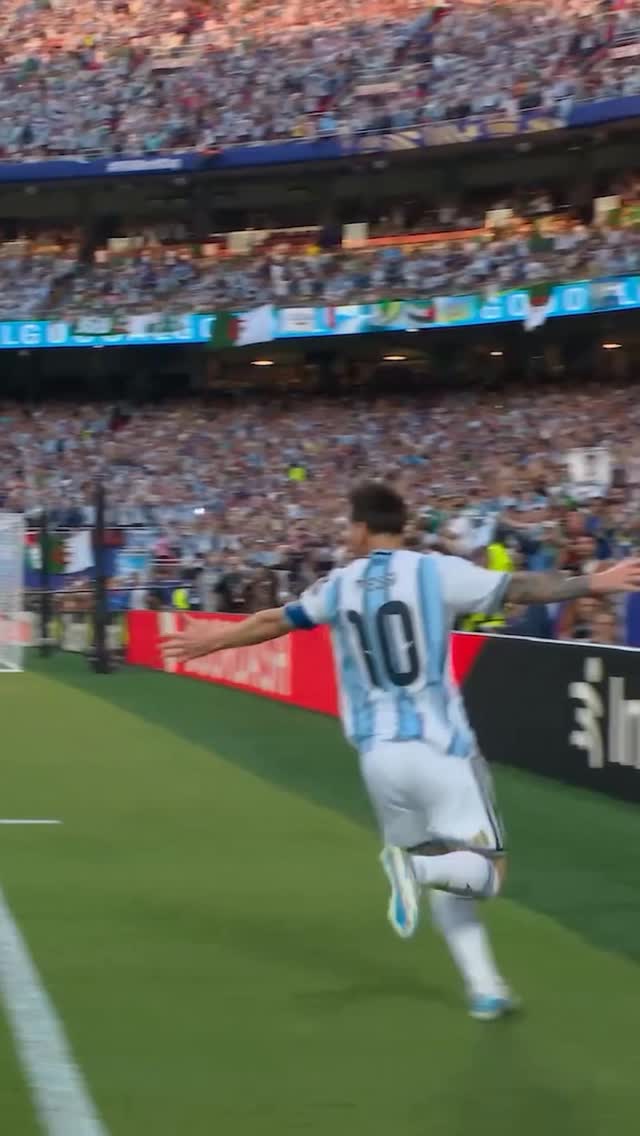
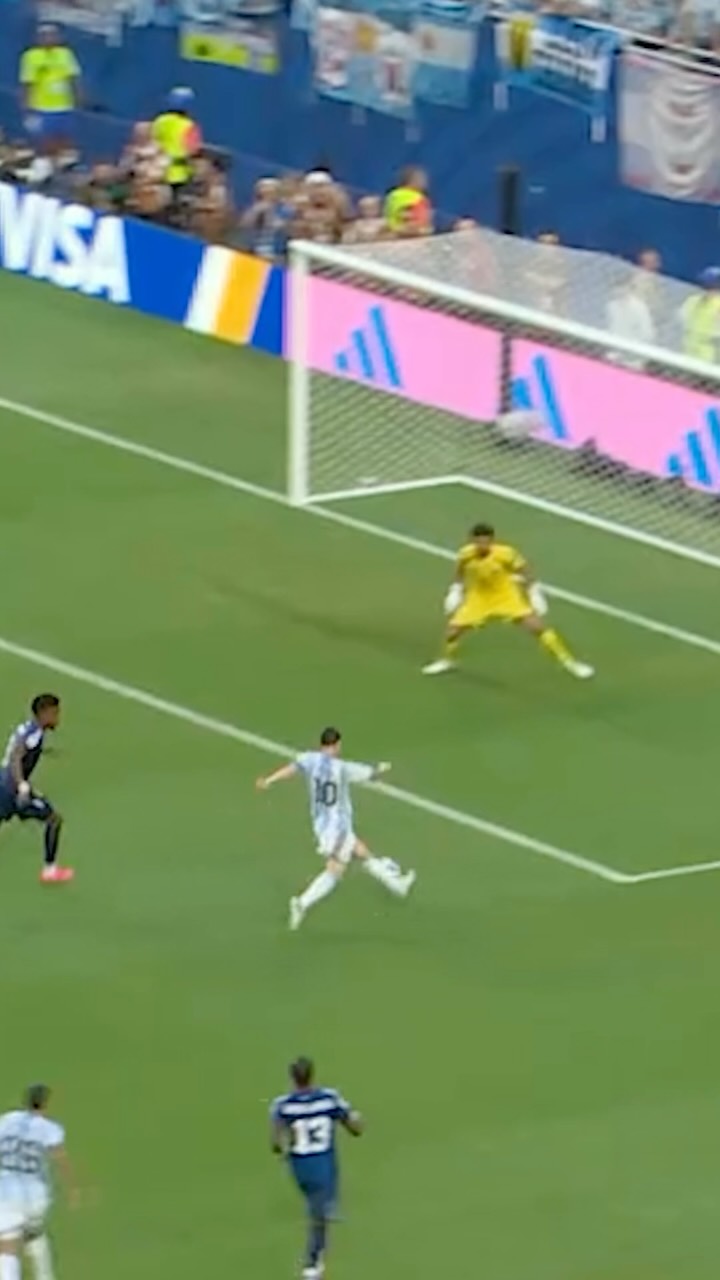
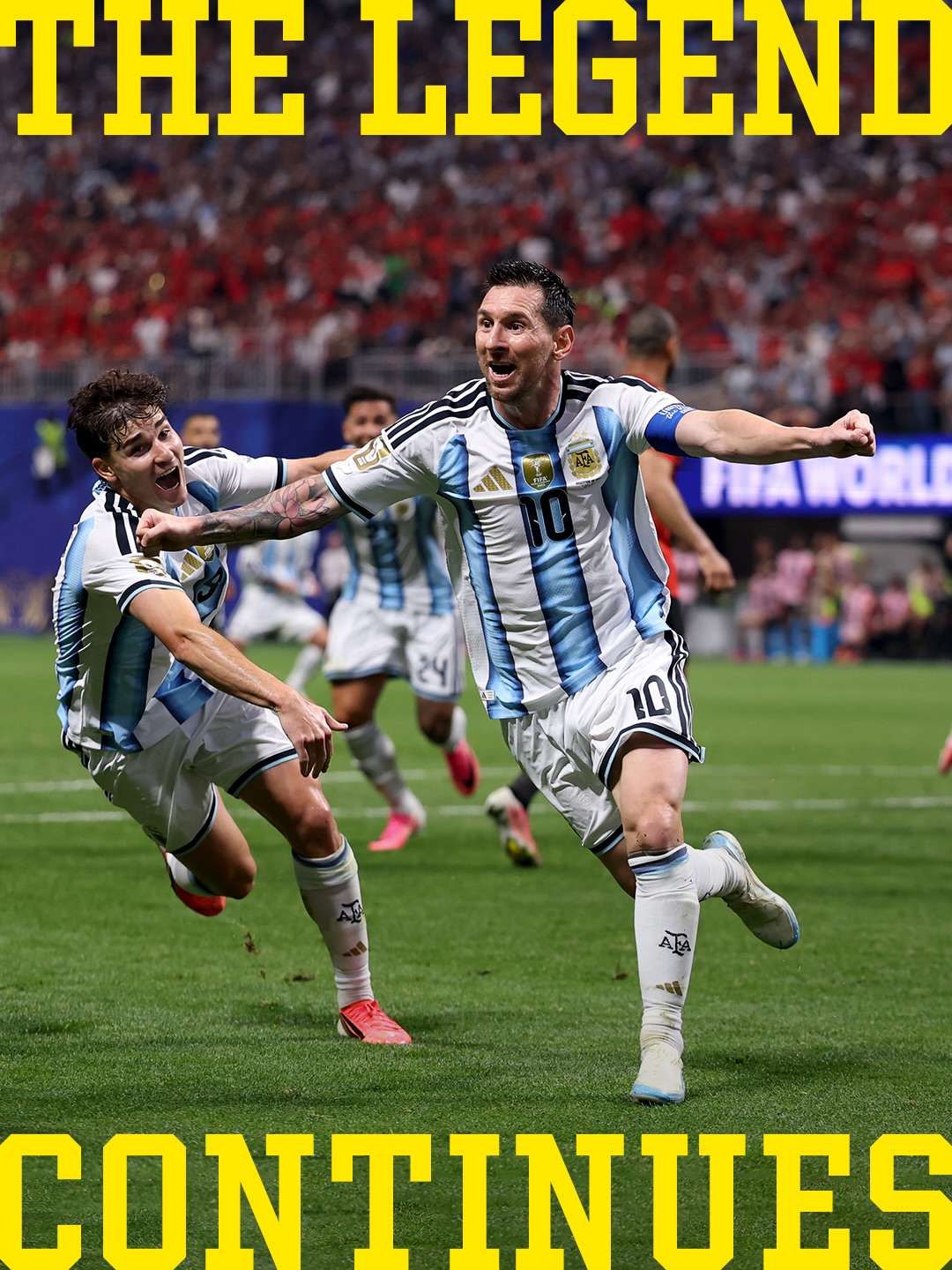
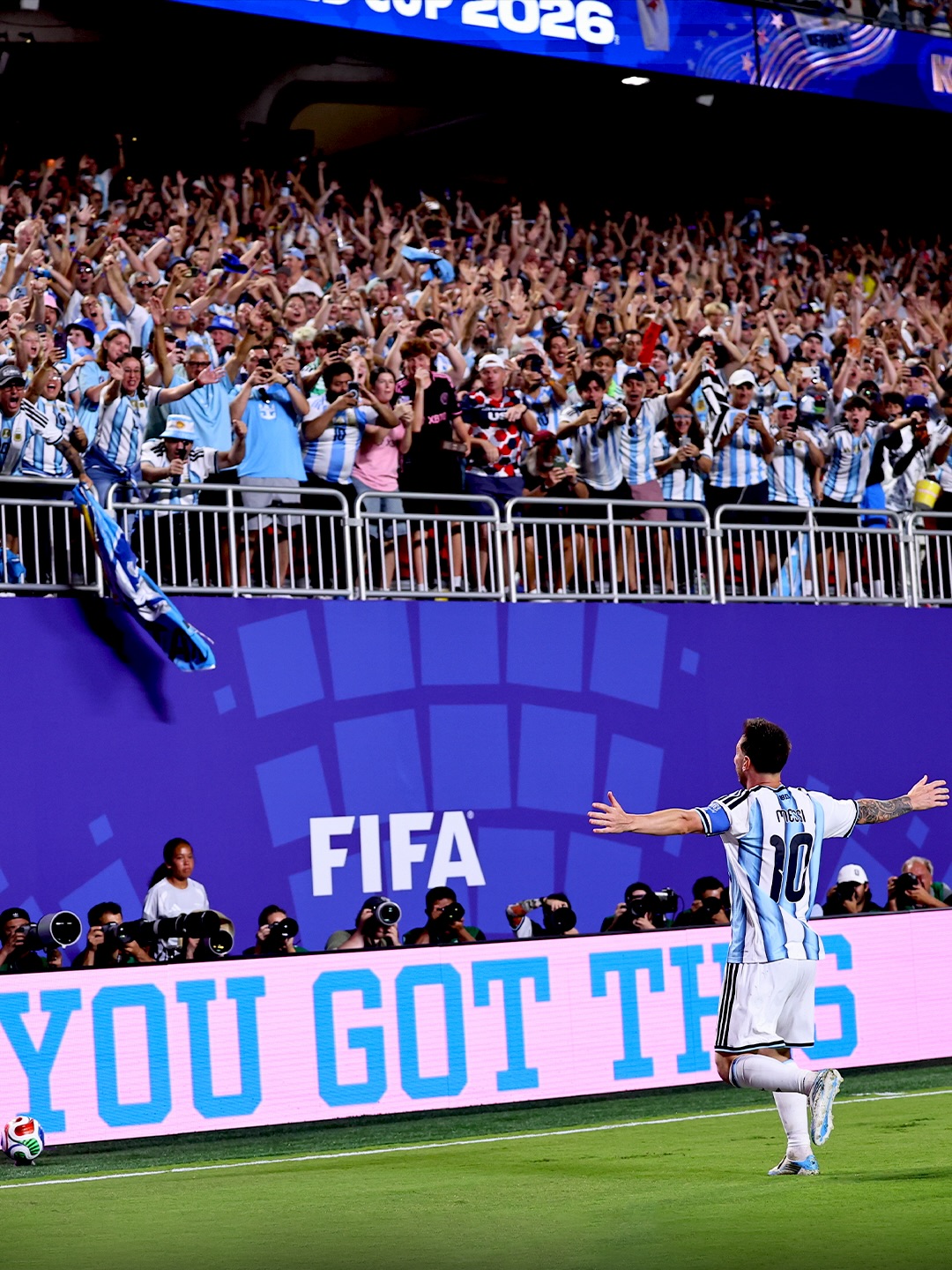
If the newsroom was how adidas won, athletes were what it published. Across every brand, the posts that moved were the ones made with players, not the campaign films built around them. adidas wove a roster into its feed as co-authors, Messi, Bellingham, Yamal, Trinity Rodman, and those collaborations carried 83.8% of its authored campaign engagement. It didn’t have a star; it had a squad, spread across a month of posts.
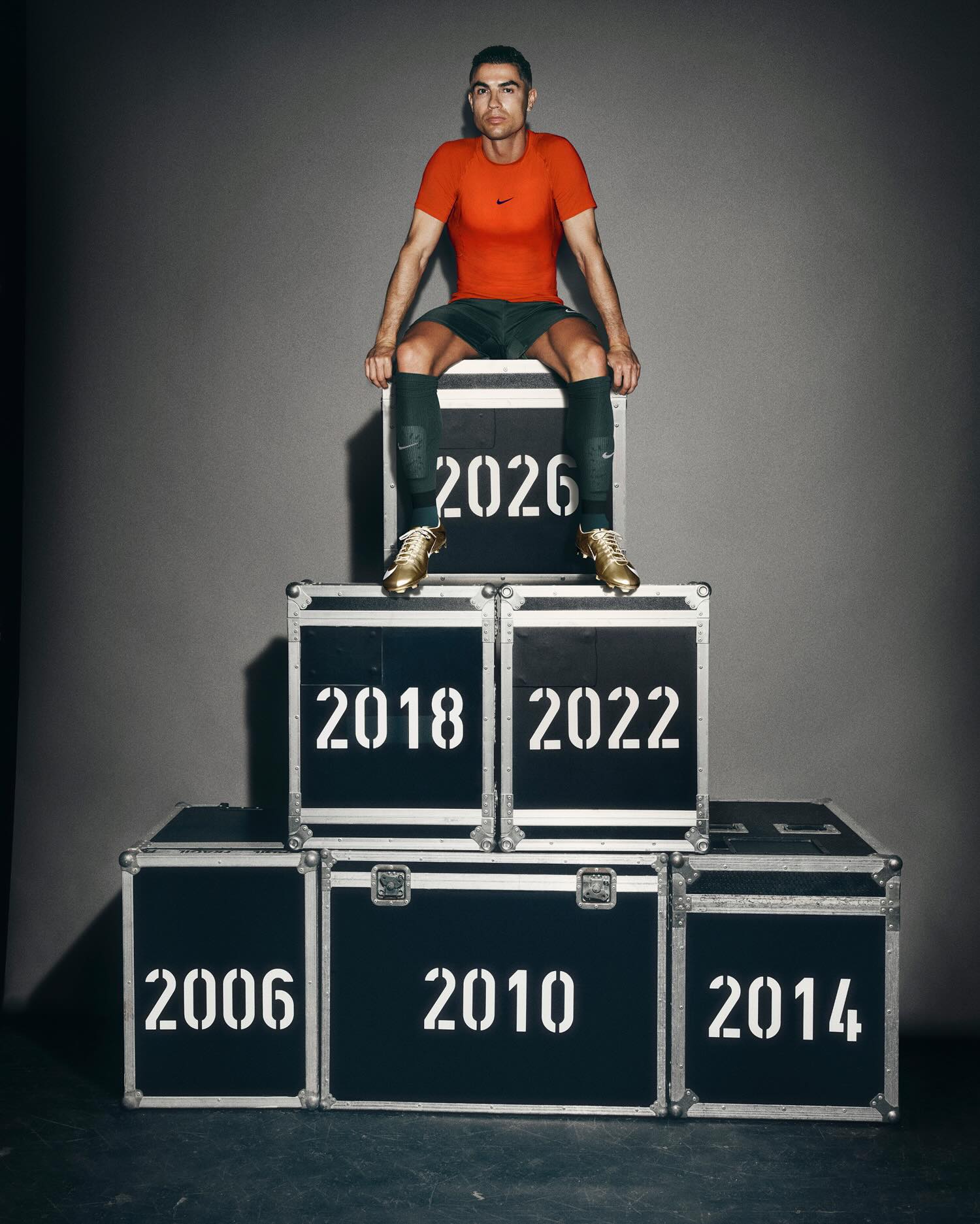
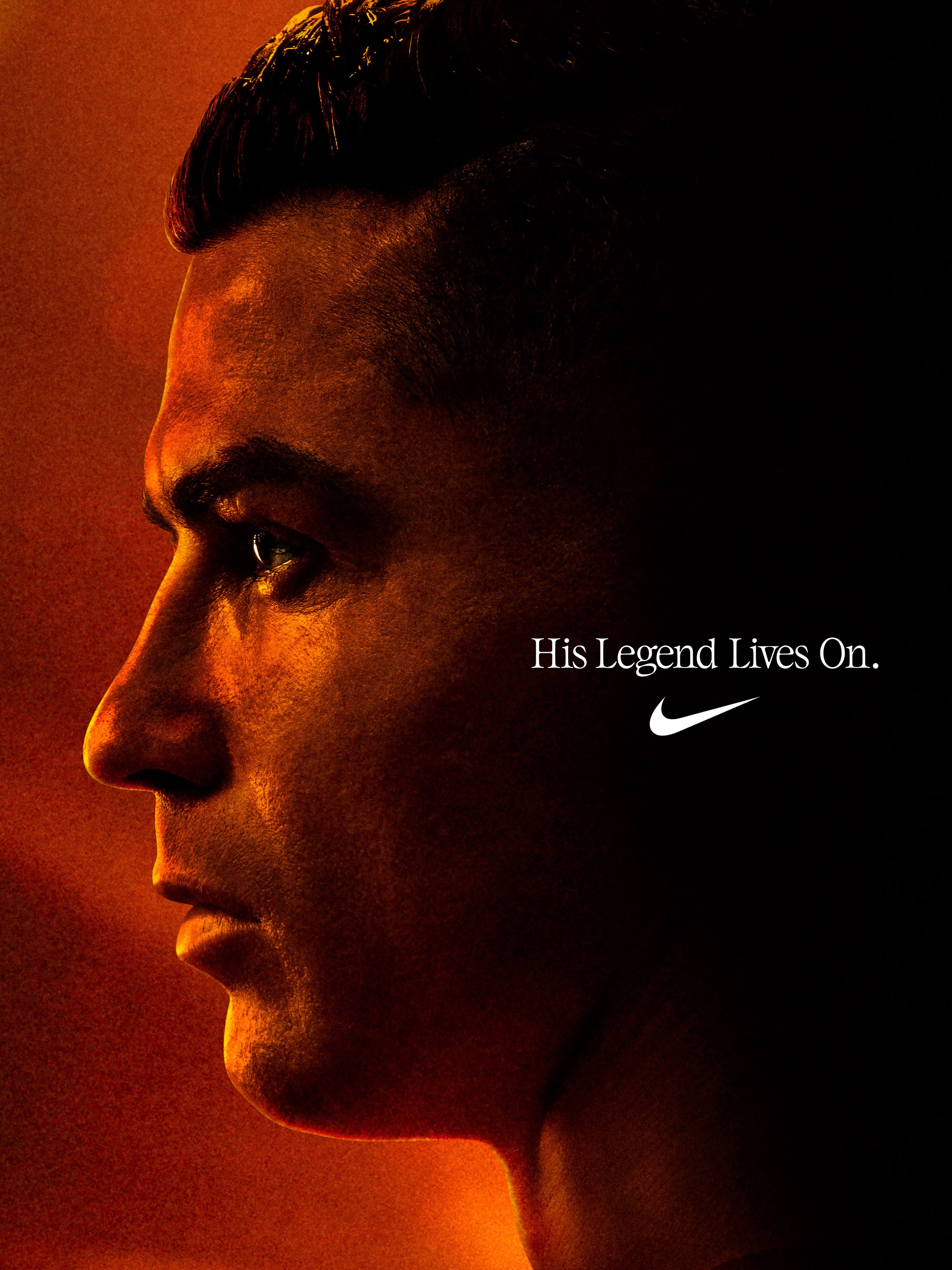
Nike proved the same rule, and its danger. Five of its 46 posts named Cristiano Ronaldo or Erling Haaland and averaged 2,849,544 engagements; the other 41 averaged 107,013. Those five carried 76% of Nike’s entire tournament engagement, and Ronaldo alone carried 75.7% of it. Haaland’s single post was worth 0.7%. The gold Mercurial boot it built for Ronaldo was the biggest post any sports brand published itself, 11.3 million engagements, three fifths of Nike’s window in one post. Even its films came second to its athletes: ESPN gave Nike’s tournament film the highest score in its ratings of the tournament’s ads, yet “The story continues”, four words and Ronaldo, took 1.9 million while the film itself took 765,000. Athletes beat campaigns. Nike simply rested everything on one of them, and when the spikes faded there was nothing underneath. A YouTube postmortem on the Athletic Interest channel titled “How Nike Lost The World Cup” went up before the final and is now past a quarter of a million views.
Puma showed the pattern once more from below. Three Neymar posts carried a third of its engagement, and its real standout was not a star at all but its fans: ten fan posts averaged 148,070 engagements against 35,286 for Puma’s own match reactions. The lesson wasn’t “use stars”, everyone did. It was how many, and how deeply built into the feed. adidas spread its bets across a roster and published them daily; Nike and Puma stacked theirs on a single name.
One advantage most brands failed to fully leverage: the comment section.
Publishing was the main event; this was the bonus round. adidas found an almost free lever the others left alone, other people’s comment sections. Phainos counted every sports-brand comment under the tournament’s most engaged posts, 805 of them once the overlaps are stripped: 134 comments in all, with two brands leaving 120 of them. But the results were far from equal. adidas commented 62 times and generated 1,278,711 likes. Nike commented 58 times and earned less than half as many, 578,367. Thirteen adidas comments under Messi’s posts carried 900,678 likes between them, and it ran its “THE GREATEST OF ALL TIME” line, later the name of a real Messi boot campaign, for free in his replies. It is genuine visibility and genuine community building, and most brands never bother. But it is a supplement to great publishing, not the reason adidas won.
Outbound community management
Which brands made their comments count?
Compare how often each brand joined the conversation and how much engagement its comments generated.
So who actually won?
adidas, and not for the reasons a marketer would guess. Not the biggest campaign; that was Nike’s. Not the best rated ad; ESPN gave that to Nike too. Not the biggest budget; Nike outspent it. adidas won on the least glamorous ground there is: it published more, published faster, and built more of its content with athletes than anyone else, match after match, for a month. Even the tone of the conversation followed the effort. Social listening data from Sprout Social, reported by Digiday, put adidas’s mentions at 87% positive against Nike’s 82%. The brand that worked the hardest was also the one people liked the most.
Takeaways
What brands can learn
1. The launch is only the opening move
Both adidas and Nike launched campaigns that performed well above their usual benchmarks. The difference emerged over the rest of the tournament: adidas published across all 40 days, reacted consistently to match moments and maintained a stronger median post performance. The data suggests that sustained editorial activity mattered more than launch scale alone.
2. Make players and their channels part of the campaign
Both adidas and Nike made players central to their campaign content, helping the launches perform well above their usual benchmarks. adidas went further by using co-authored posts and distributing content through player, football and regional accounts. Those collaborations generated 83.8% of its authored campaign engagement and gave the campaign access to several relevant audiences rather than relying primarily on the brand’s own channels.
3. adidas and Nike need to establish the generation after Messi and Cristiano Ronaldo
Lionel Messi and Cristiano Ronaldo, the two GOATs, accounted for 66.4% of adidas and Nike’s combined tournament engagement across 29 of 210 posts. Messi drove 63.6% of adidas’s engagement through 25 posts, while just four Ronaldo posts generated 75.7% of Nike’s. With their participation in the next World Cup uncertain, both brands need to establish Lamine Yamal and Erling Haaland as defining figures of the next cycle, while building a broader roster around them.
More World Cup 2026 Articles
Players, memes and emotion shaped the 2026 World Cup on social
Ten players captured almost half of all Instagram follower growth at the 2026 World Cup
The World Cup leaderboard missed four bigger stories