Ten players captured almost half of all Instagram follower growth at the 2026 World Cup.
Phainos tracked more than 1,100 squad players throughout the tournament. Together, they gained 291 million Instagram followers, but almost half of that growth concentrated around just ten names.
Phainos tracked the public Instagram accounts of more than 1,100 World Cup squad players between 10 June and 20 July 2026.
Across the tournament, those players gained a combined 291 million followers. The ten players with the largest absolute gains accounted for approximately 128 million, or 44% of the total.
Only one of them lifted the trophy.
Performance provided the stage, but it was rarely the complete story. The largest gains formed around moments people could participate in: memes, visual identities, community-led discovery and career-defining emotion.
When performance becomes participation
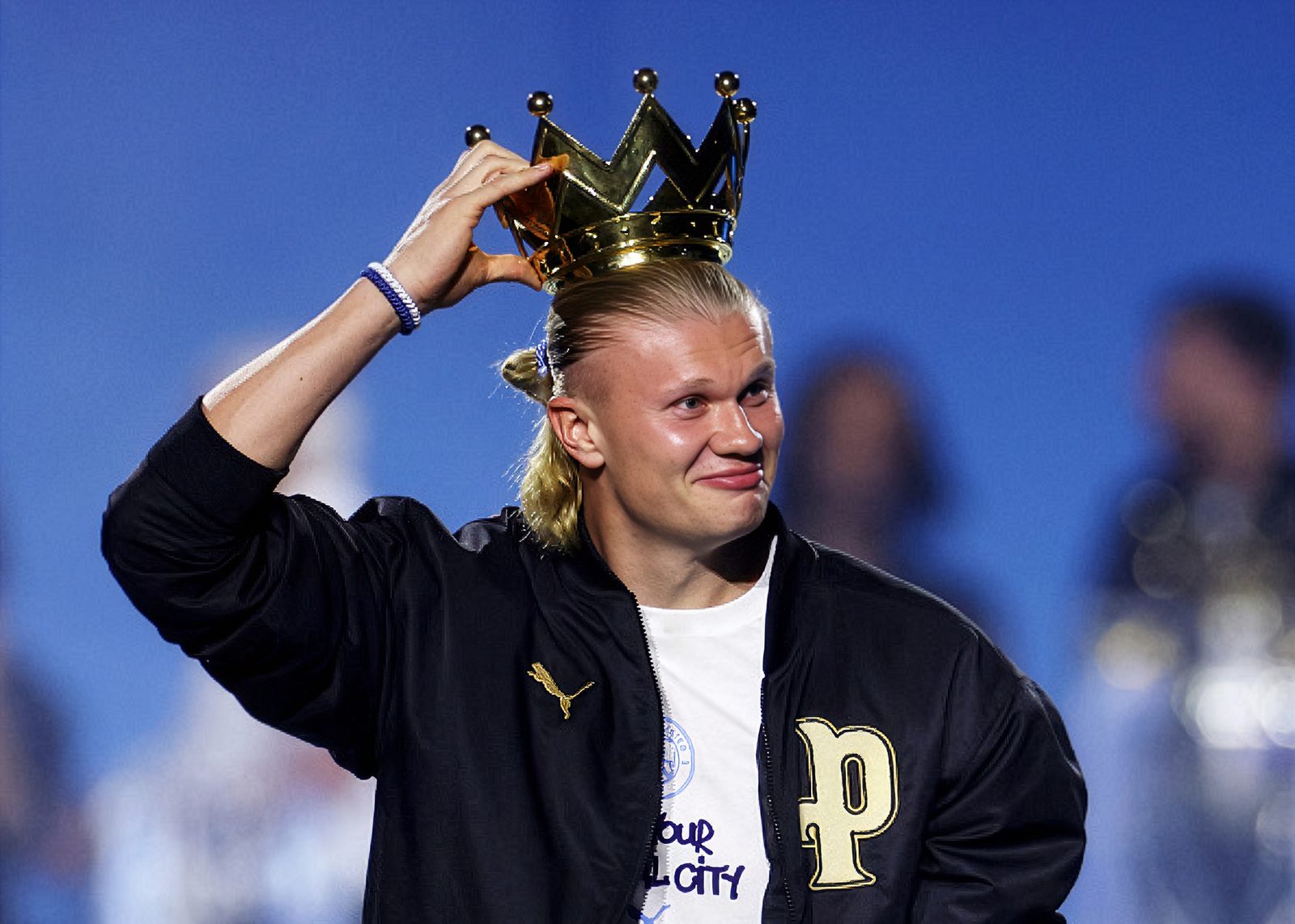
Erling Haaland gained 31.8 million followers in five weeks, the largest absolute increase of any player at the tournament.
His performance created the initial visibility: two late goals eliminated Brazil on 5 July, followed by his “Viking Row” celebration in front of the away end.
But the growth extended far beyond football.
A “Well well well” selfie posted the following morning collected 25.4 million likes. A rap track he recorded as a teenager returned to No. 1 in Norway after Kygo promised to remix it if Haaland scored against Brazil.
His hunched sprint against Iraq was recut into everything from anime edits to wildlife documentaries. When a fan video comparing him to a green onion generated almost 100 million views, Haaland joined the joke in the comments with a side-eyeing dog GIF.
Haaland did not simply publish content around the tournament. He gave the internet material it could reinterpret.
He runs his own accounts, and throughout the tournament, the internet could tell.
When the internet decides someone, live
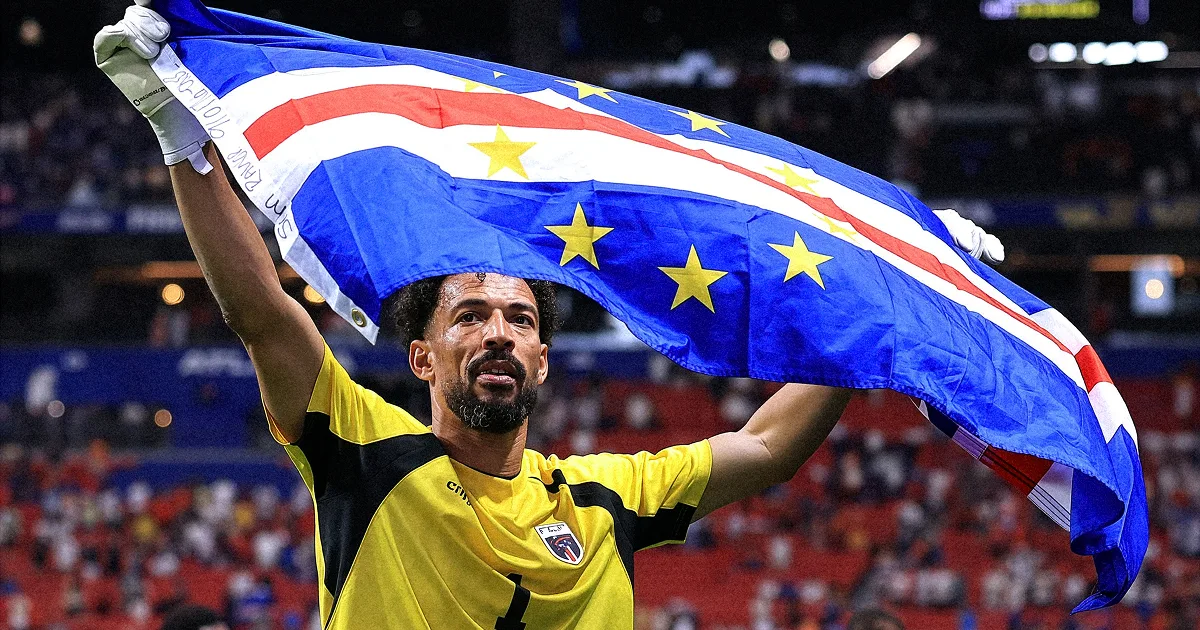
Vozinha is what it looks like when the internet collectively chooses a breakout star.
Cape Verde’s 40-year-old goalkeeper entered the tournament with approximately 32,000 followers. He ended it with 29.5 million: the highest follower count recorded by a goalkeeper on Instagram.
The moment began during Cape Verde’s World Cup debut against Spain. After Vozinha kept a clean sheet, Brazilian streamer Casimiro encouraged millions of viewers watching on CazéTV to follow him.
Fans treated it like a collective mission. Screenshots documented the counter as it passed one million shortly after full time. When a reporter showed Vozinha his profile during a post-match interview, he responded with disbelief: “Crazy, that’s crazy.”
The attention continued beyond the opening match. Paul Pogba praised his performance, Brazilian audiences adopted him as one of the tournament’s defining characters and Argentina eventually needed extra time to end Cape Verde’s run.
Vozinha’s rise happened outside the established star system. It was driven by community mobilisation, live media and the shared pleasure of discovering someone before everyone else.
The ranking
Every player, every metric
The leaderboard is frozen at the 20 July 2026 snapshot, the day after the final. It is ranked by absolute followers gained and can be re-sorted by growth rate, posts or engagement; lens any round with the time filter.




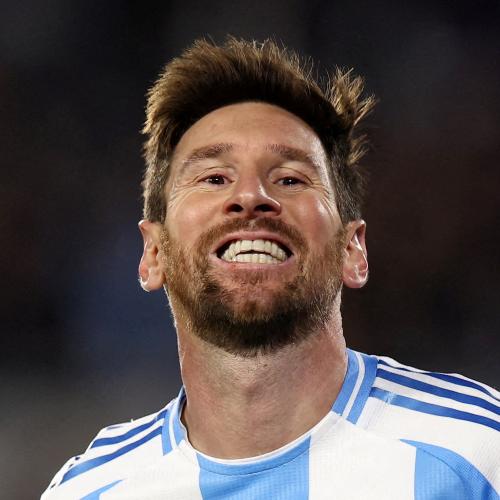
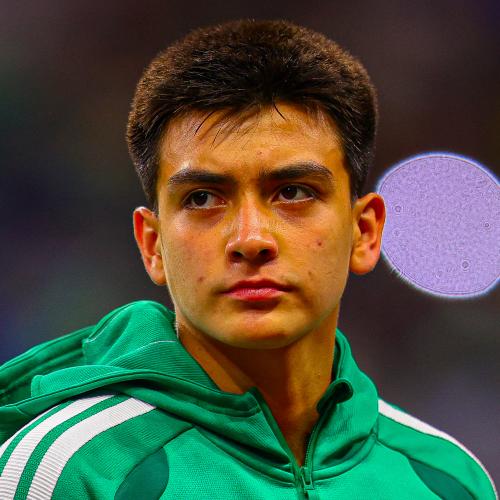
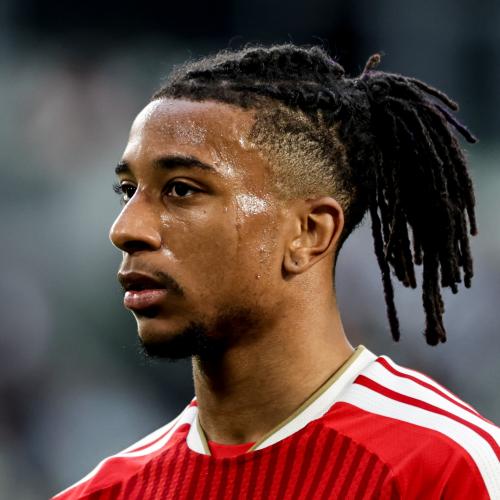
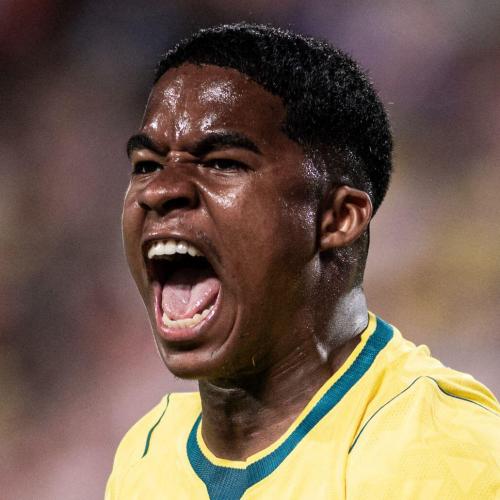
Gilberto Mora’s 618% growth also showed how younger players can build cultural relevance before entering football’s established star system.
A new content playbook for football players
Haaland, Lamine Yamal and Michael Olise represent three distinct approaches to social. Together, they wrote a new content playbook for football players: participate in the conversation, create recognisable codes and make the account feel unmistakably self-authored.
Haaland: Give the internet something to remake
Haaland’s content moved fluidly between elite performance, music, memes and direct interaction with fans.
Rather than controlling how each moment was interpreted, he left space for the audience to take over. The resulting content did not end with his original post; it expanded through edits, jokes, comments and remixes.
His social presence worked because he participated in internet culture instead of simply borrowing its visual language.
Yamal: Speak the language of the feed
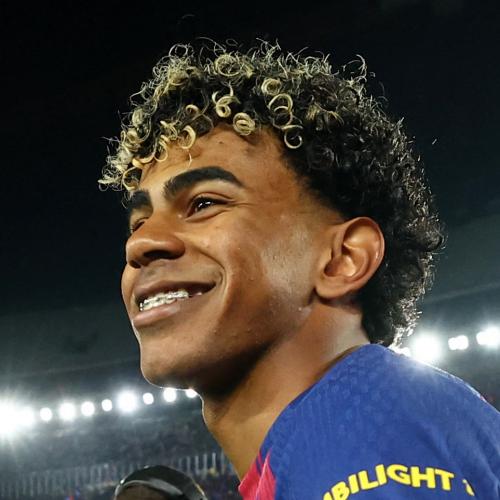
Lamine Yamal gained 9.7 million followers and won the World Cup at 19.
When Saudi fans questioned whether he would appear against them, he answered with “I’m here” and scored ten minutes into the match.
When TikTok labelled him “Ego Lamine”, he arrived for the next match wearing a headband carrying the same phrase.
After Spain eliminated France, he posted “Spain in the final. Pardon” in French, generating 13 million likes within ten hours.
After every goal, his 304 hand gesture referenced the postal code of Rocafonda, the neighbourhood where he grew up. Children and supporters across Spain began reproducing it.
He did not ignore the conversation around him. He used it as content.
Olise: Build a recognisable visual world
Michael Olise gained 5.7 million followers by doing almost the opposite.
On the pitch, he recorded seven assists, breaking Pelé’s 56-year-old World Cup mark.
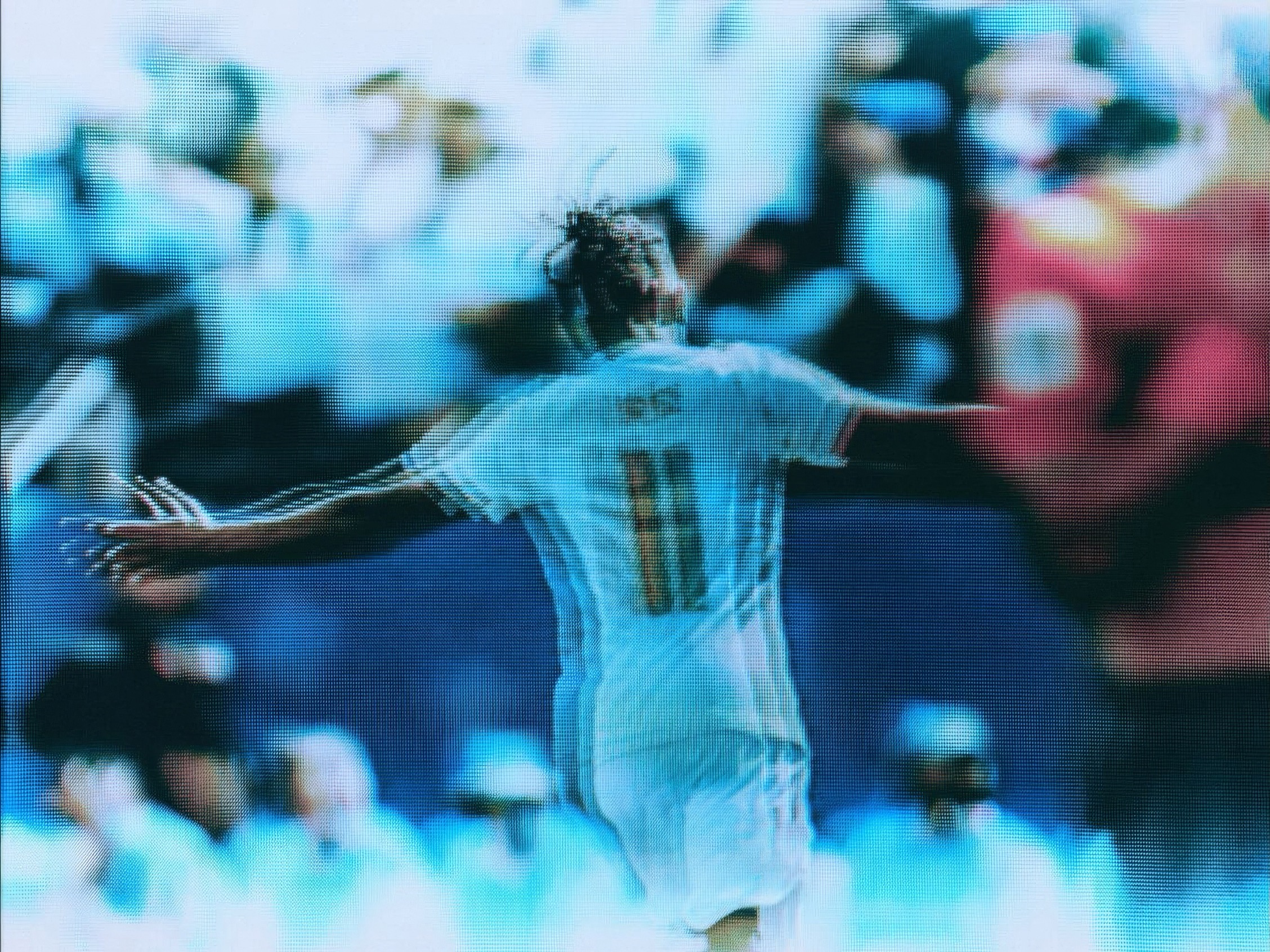
Off the pitch, he removed almost everything from his Instagram and published a controlled series of grainy, caption-free match photographs taken from television screens by photographer Lukas Korschan, who could not attend the tournament in person.
The result felt more like an image archive than a conventional athlete feed. Fan pages began reproducing the aesthetic, while fashion publications highlighted Olise as one of the tournament’s most stylish players.
In a tournament defined by volume, Olise created attention through restraint.
These approaches are not a single formula. They are three principles:
- Participate, do not simply publish. Respond to the conversation and allow it to shape the content.
- Develop recognisable codes. A gesture, visual treatment or tone should become identifiable before the username is visible.
- Leave room for reinterpretation. The strongest social moments give audiences something they can remix, imitate or carry forward.
Emotion became a growth lever
Not every major audience gain came from internet fluency. Several were driven by moments that allowed supporters to experience the emotional weight of the tournament alongside the players.
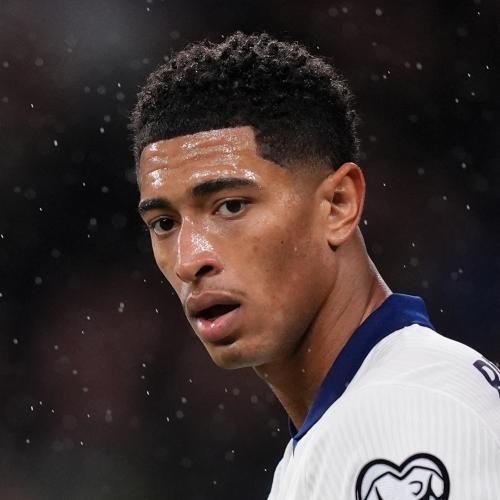
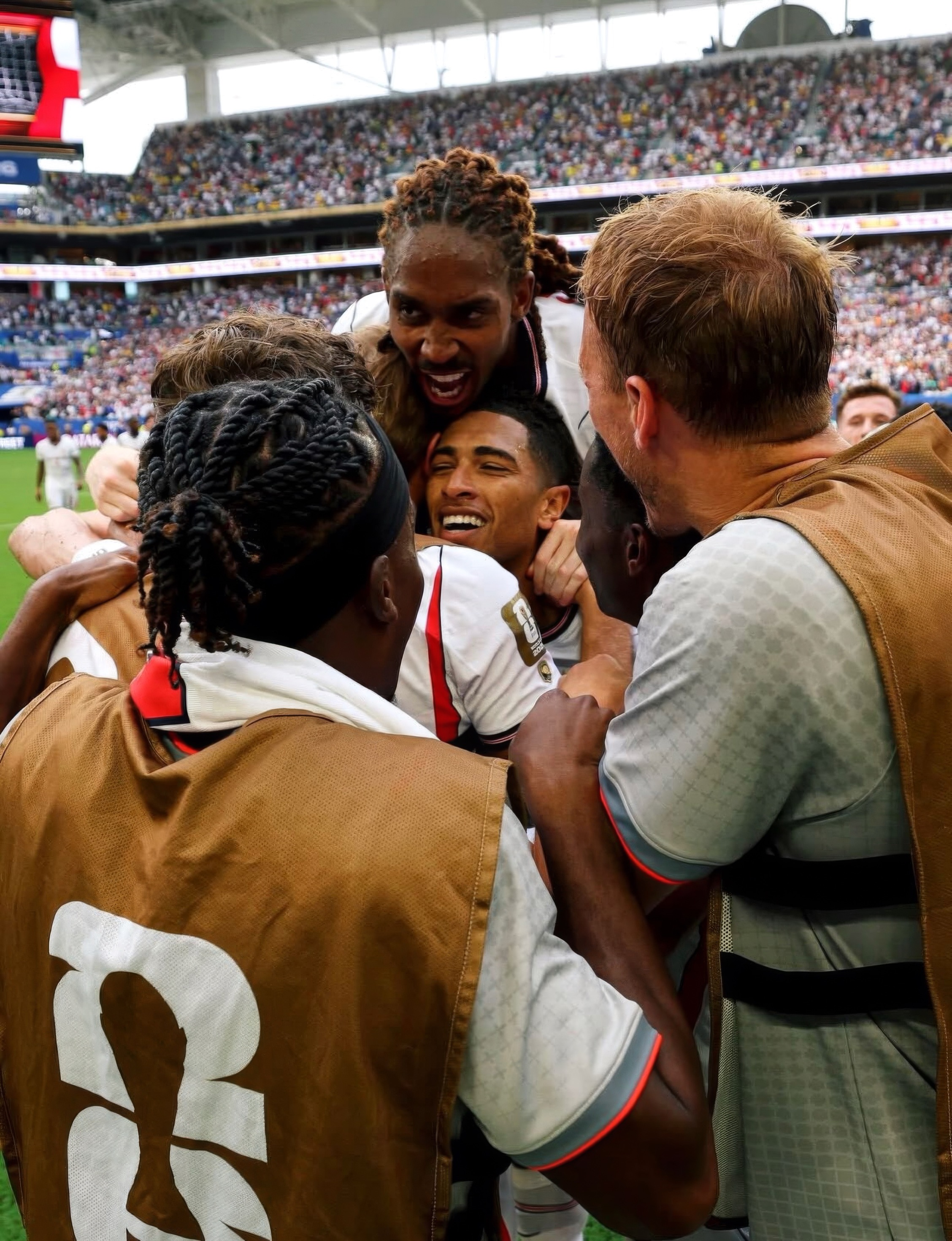
Jude Bellingham added 11.9 million followers after carrying England to third place, its strongest World Cup finish since 1966. Following the semi-final defeat, his most-liked post was not about a record. It was a four-page poem written by the team’s driver and a request that the unity created during the campaign should continue.
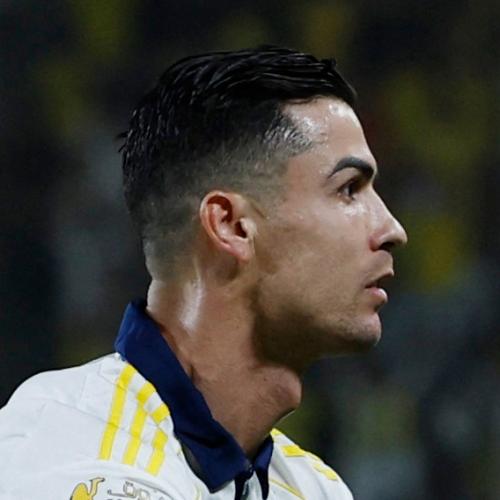
Cristiano Ronaldo added 11.6 million followers as his sixth and final World Cup became a farewell experienced in public. Following Portugal’s elimination, his two-word post, “Portugal Sempre”, received 20 million likes.
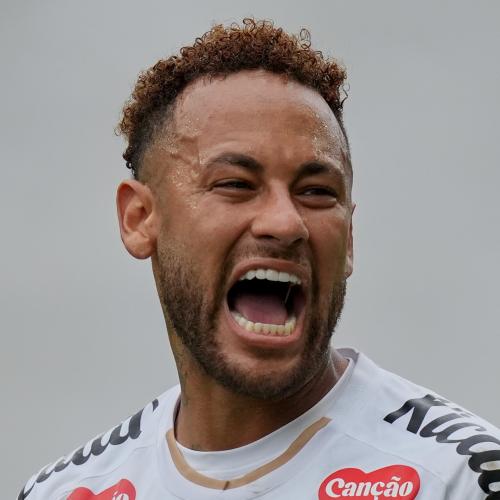
Neymar gained 7.9 million followers during a tournament that ended with Brazil’s elimination and his immediate retirement from international football. The final match took place at the same stadium where his Brazil career had begun 16 years earlier.
Lionel Messi added 7.9 million after breaking the all-time World Cup scoring record and leading Argentina to the final. But one of his most widely circulated moments was a facial expression directed at Bellingham in the semi-final, which was quickly recut into reaction memes across social platforms.
These accounts became more than records of the tournament. They became places where audiences processed it.
Takeaways
What brands can learn
1. Performance creates attention. Participation compounds it.
Goals, assists and results produced the initial moments. The largest cultural breakthroughs occurred when audiences could do something with them: imitate a gesture, join a mission, remake a clip or extend a joke.
The implication is not that every athlete needs to become a content creator. It is that the strongest moments should be designed, or simply left open enough, for audiences to participate.
2. Distinctive social codes outperform generic content volume.
Haaland, Yamal and Olise took radically different approaches, but each developed a recognisable social identity:
- Haaland participates in internet culture.
- Yamal responds to it in real time.
- Olise builds a visual world people want to enter and reproduce.
None of them treated social as a record of what had already happened. It became part of how their tournament story unfolded.
3. Communities and emotion can create growth independently of winning.
Vozinha’s rise shows how quickly live audiences can organise around an unexpected character. Bellingham, Ronaldo, Neymar and Messi demonstrate the power of emotional participation.
Only one player in the top ten ultimately lifted the trophy. Winning mattered, but it was not the only route to relevance.
The players who grew most were the ones whose stories became participatory: giving audiences a gesture to copy, an aesthetic to adopt, a joke to continue or an ending to experience together.
Methodology. Phainos tracked the public Instagram accounts of more than 1,100 squad players at the 2026 World Cup using daily follower snapshots. The ranking shows the ten players with the largest absolute follower increases between 10 June 2026, the day before the opening match, and 20 July 2026, the day after the final. Percentage growth is calculated relative to each account’s 10 June baseline. Post engagement includes likes and comments recorded at the most recent observation. Instagram Stories are excluded.
More World Cup 2026 Articles
Which brand won the World Cup on Instagram?
Players, memes and emotion shaped the 2026 World Cup on social
The World Cup leaderboard missed four bigger stories